Who Should Be My Beneficiary?
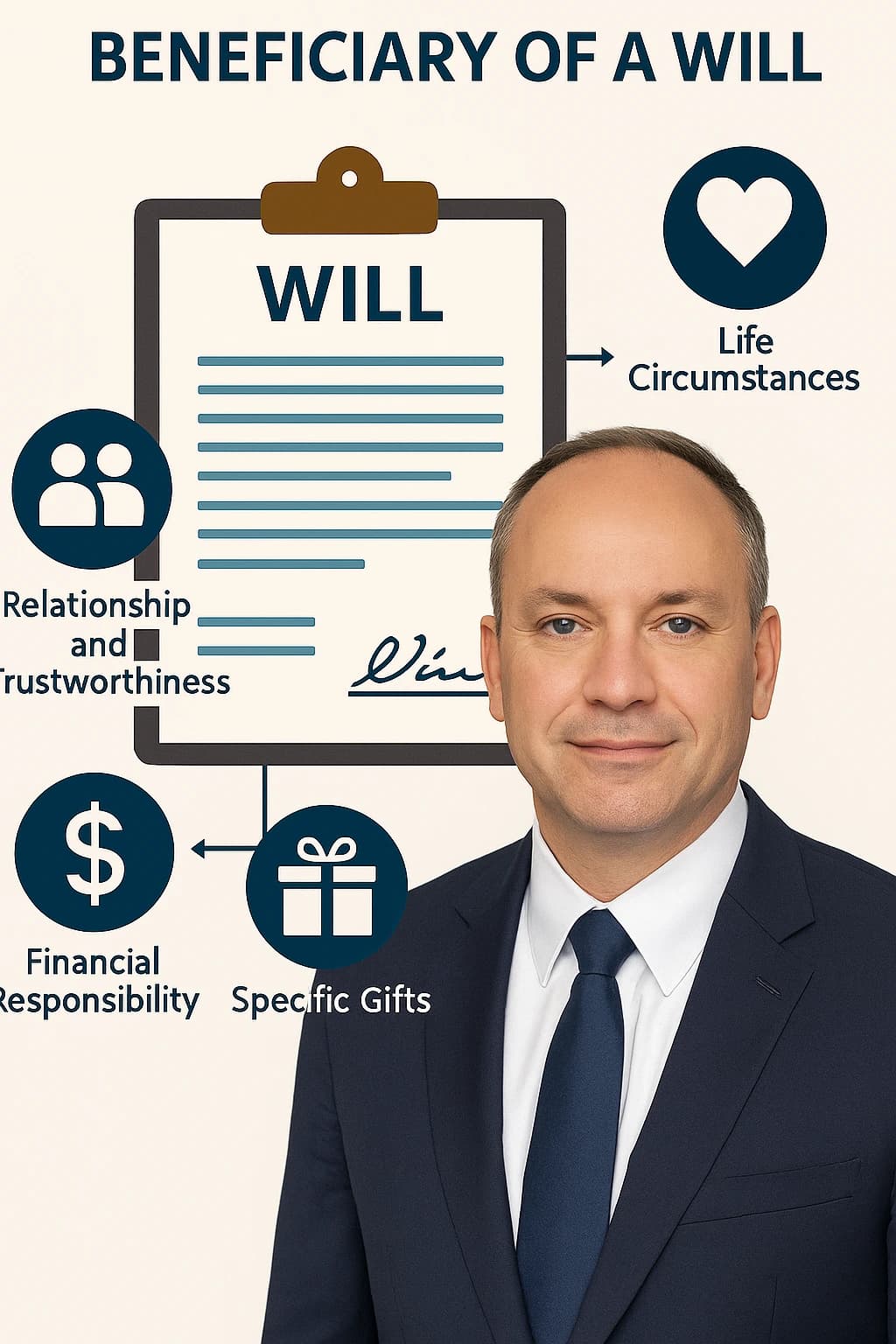
Who should be my beneficiary is one of the most important questions you’ll face when creating a will. Choosing the right person to inherit your estate is a critical decision. Every will needs a clear plan for who receives what. If you don’t name beneficiaries, the state could decide for you. This is why understanding who should be my beneficiary is so important.
Your beneficiary decisions will impact your legacy, your family, and even your digital presence. In this guide, we’ll walk you through how to name beneficiaries, what to consider for different asset types, and whether an executor can also inherit.
Let’s dive into everything you need to know about selecting a beneficiary of a will.
When You are Ready to Write Your Will
Once you are ready to create your will, use The U.S. Will Registry to create your will. The process is legal, it’s free, and it’s especially important to make these decisions in the comfort of your own home. With guided prompts and attorney-approved language, you can thoughtfully choose your beneficiaries, name an executor, and ensure your wishes are documented securely. Taking this step now protects your loved ones from confusion, stress, and costly legal battles later. Creating your will online allows you to do it at your own pace, with time to reflect on what matters most.
Create Your Free Legal Will Today
What Is a Beneficiary of a Will?
A beneficiary of a will is someone who receives part or all of your estate. This includes cash, property, jewelry, and other items you legally own. Beneficiaries can be family, friends, organizations, or even charities.
You can name different people for different items. You can also choose one person to receive everything.
Without a named beneficiary, your assets may pass through probate based on state laws. This often causes delays, confusion, and family disputes.
How To Choose Who Should be my Beneficiary
When planning your will, start by listing everything you own. Include real estate, bank accounts, cars, jewelry, and any other valuables. After that, think about who should inherit each item.
Five important things to consider when choosing who should be a beneficiary:
1. Relationship and Trustworthiness
Choose someone you trust. The person should be responsible and capable of handling assets. While many people choose a spouse or child, you can pick anyone who has shown integrity.
2. Financial Responsibility
Your beneficiary should be able to manage the inheritance wisely. If they struggle with money, you may want to create a trust. This gives them access over time rather than in one lump sum.
3. Emotional Attachment
Consider the sentimental value of items. A child who cherished your home might value it more than someone else would. Sentimental items often cause the most family tension. Thoughtful planning helps avoid this.
4. Life Circumstances
A beneficiary’s age, health, and personal situation matter. Minors can’t legally inherit directly. In that case, a guardian or trustee must manage their portion. If a beneficiary has special needs, consult an attorney for the best structure.
5. Geography and Residency
Some states and countries have tax rules for out-of-state or international beneficiaries. Be aware of any laws that could affect the outcome. You may need to plan differently for someone living abroad.
Can a Beneficiary of a Will Also Be an Executor?
Yes, a beneficiary can serve as the executor of your will. In fact, this is very common. Executors carry out your wishes, manage your estate, and distribute assets. Choosing a beneficiary as executor makes sense if they’re highly trustworthy. However, it may raise concerns among other heirs. Clear communication can help prevent misunderstandings. If you expect conflict, you can appoint a neutral third party as executor instead. This could be an attorney, a financial institution, or another trusted person not receiving anything from your estate.
How to Choose a Beneficiary of a Will for Specific Gifts
Specific gifts are individual items or sums you want to leave to someone. These can include family heirlooms, cash gifts, or personal belongings. To ensure your wishes are followed, be very specific in your wording.
Here’s how to do it well:
1. Describe the Item Clearly
Use exact descriptions. For example, say “blue sapphire ring with three diamonds” rather than “my favorite ring.” Include appraisals or photos if necessary.
2. Name the Recipient Precisely
Use full names and relationships. For instance, write “to my niece, Emma Jackson” instead of just “Emma.” This avoids confusion, especially in large families.
3. Make a List of All Items
Before drafting your will, walk through your home and note the items you want to leave. Think about who would appreciate each one most.
4. Plan for Backup Beneficiaries
Sometimes a recipient passes away before you do. Always include a backup. For example: “If Emma Jackson does not survive me, the ring shall go to her daughter, Lily Jackson.”
Choosing a Beneficiary for Digital Assets
Today, digital property matters just as much as physical property. You should include it in your will. Many people forget about email accounts, social media, online businesses, and digital photo collections.
What Counts as Digital Property?
- Email accounts
- Social media profiles
- Cloud storage
- Blogs and websites
- Online banking or crypto wallets
- Digital books and music
How to Manage Digital Assets:
1. List All Your Digital Accounts
Write down usernames and instructions. Do not include passwords in the will. Instead, store them in a secure password manager and reference that location in your will.
2. Name a Digital Executor
A digital executor handles your online property. They can be the same person as your will executor or someone else with tech experience.
3. Assign Beneficiaries for Valuable Digital Assets
If you own income-generating websites, crypto, or digital collectibles, treat these like financial assets. Name a specific beneficiary of a will to receive them. Be clear about their value and access needs.
Naming a Charity as a Beneficiary
You can also name a nonprofit organization as a beneficiary of a will. This is a great way to leave a legacy. Simply include the full legal name of the charity in your will. Some people choose to leave a percentage of their estate to a cause they support. Make sure to inform the organization if possible. That way, they can honor your gift appropriately.
Can a Beneficiary be a Minor
Here’s what you should know:
1. Minors Cannot Directly Receive Assets
In most states, minors (typically under age 18) cannot legally manage or control inherited assets. That means if you name a minor as a beneficiary in a will, life insurance policy, or retirement account, the assets won’t go directly to the child.
2. A Guardian or Custodian Must Be Appointed
If a minor is listed as a beneficiary:
-
-
-
The court may appoint a guardian of the estate to manage the funds until the child turns 18 (or 21 in some states).
-
Alternatively, you can proactively name a custodian under the Uniform Transfers to Minors Act (UTMA) or Uniform Gifts to Minors Act (UGMA) when naming the beneficiary. This allows the custodian to manage the inheritance without court involvement.
-
-
3. Better Option: Create a Trust
Many parents or grandparents set up a minor’s trust within a will or living trust. This:
-
-
- Allows you to name a trustee who controls how and when the child receives the money.
- Lets you set conditions (e.g., funds released at age 25 or for education only).
- Avoids probate court delays and oversight.
-
4. Life Insurance and Retirement Accounts
If you name a minor directly on a policy or account:
-
-
- The insurance company or plan administrator will not release the funds to the child.
- A court-appointed guardian may be required, leading to extra costs and delays.
- Instead, designate a trust as the beneficiary or name a custodian using UTMA wording (e.g., “John Smith, as custodian for Jane Doe under the UTMA of California”).
-
Common Mistakes to Avoid
When learning who should be my beneficiary, avoid these frequent errors:
1. Forgetting to Update the Will
Life changes. If you marry, divorce, or have children, update your beneficiaries. Also update if someone passes away or your relationship changes.
2. Choosing Someone Without Considering Their Situation
Don’t choose a minor without naming a guardian or trustee. Don’t choose someone with known financial issues unless you put protections in place.
3. Leaving Out Digital Assets
More than 50% of people forget to include digital property. Without guidance, families often lose access to sentimental or valuable items.
4. Naming Only One Beneficiary
Always name backup beneficiaries. Life is unpredictable. Your first choice may not survive you.
Final Thoughts on Who Should be my Beneficiary
You now understand the full process of how to choose a beneficiary. Whether you’re passing down a family home or digital photos, every choice counts. Take time to think through each decision. Your loved ones will appreciate the clarity.
Once you’ve decided, don’t delay in creating your will. The U.S. Will Registry offers the most respected, user-friendly, FREE legal online will program to the public. It’s simple to use, and you can store your will safely in the cloud or register it for easy access later.
Secure Your Legacy in Minutes with The U.S. Will Registry
Free Will Maker. Free Registration. Free Storage.
Click here to get started writing your will with The U.S. Will Registry
e
? FAQ’s Related to Who Should Be My Beneficiary
Who should be my beneficiary depends on your relationships, assets, and long-term goals. Many people choose a spouse or children, but beneficiaries can also include friends or charities. The most important factor is trustworthiness and responsibility. Naming beneficiaries clearly ensures your wishes are followed and prevents the state from deciding for you.
Yes, you can name more than one beneficiary in your will. You may divide assets equally or assign specific items to different people. You can also name backup beneficiaries if someone passes away before you. This approach helps reduce disputes and ensures your estate is distributed exactly as you intend.
A beneficiary of a will can also serve as the executor, and this is very common. Executors manage the estate and carry out your instructions. Choosing a beneficiary as executor works well when that person is trusted and organized. Clear communication helps avoid concerns from other heirs.
If you do not name a beneficiary in your will, your assets are distributed under state intestacy laws. This often causes probate delays and outcomes you may not want. Family members can face confusion, added costs, and conflict. Naming beneficiaries prevents uncertainty and keeps decisions in your control.
Editorial Review:
This article was prepared by estate planning researchers and reviewed by S. Miller and staff. With more than 25 years of experience in estate planning documentation and probate processes, our editorial oversight ensures clarity and accuracy. This content is provided for informational purposes only and does not constitute legal advice.
[View Our Editorial Policy]