
How to file a will depends on whether the will owner is living or has passed away. In almost every state, you do not file a will with the court while the person is alive. After death, the original signed will is generally filed with the probate court in the county where the deceased lived. The executor or another legally responsible person submits the will so the court can begin probate, validate the will, appoint the executor, and oversee the distribution of the estate according to state law.
If you’re searching for how to file a will, you’re not alone. It is one of the most common questions families ask after someone dies.
Unfortunately, many people confuse filing a will, registering a will, and storing a will. They are three different things, and understanding the difference can save your family time, money, and unnecessary stress.
The good news is that filing a will is usually straightforward once you know the correct steps.
The challenge is that every state has its own probate laws, filing deadlines, and court procedures. While the details vary, the overall process is remarkably similar across the United States.
This guide explains exactly how to file a will, who is responsible for filing it, where it should be filed, and the common mistakes that can delay probate.
Filing a will means delivering the original signed will to the probate court after the person who made the will has died.
Many people mistakenly believe they should file their will with the courthouse immediately after signing it. In most states, that is not how the process works.
Instead, filing a will generally occurs after death, when the executor begins settling the estate.
Once the probate court receives the will, it can:
Without filing the will, the executor often cannot legally transfer property, access certain financial accounts, or complete other estate responsibilities.
One of the biggest sources of confusion is that these three terms are often used interchangeably. They are not the same.
|
Action |
When It Happens |
Purpose |
|
Store a Will |
During life |
Keep the original will in a secure location. |
|
Register a Will |
During life |
Document where the will is located so it can be found later. |
|
File a Will |
After death |
Submit the original will to the probate court to begin the legal estate process. |
Understanding this distinction is important.
For example, registering a will does not replace filing it with the probate court. Likewise, storing a will in a safe does not automatically help your family locate it years later.
Each step serves a different purpose.
Usually, no.
This is one of the biggest misconceptions about estate planning.
In most states, people sign their will, have it properly witnessed, and then store the original document in a secure place.
Typical storage locations include:
Some states allow wills to be deposited with the probate court for safekeeping during the person’s lifetime, but this is optional and not available everywhere.
Unless your state’s law specifically provides otherwise, your responsibility is generally to protect the original will and make sure the executor knows where it is located.
After someone dies, the responsibility usually falls to the executor named in the will.
If the executor cannot serve, responsibility may pass to another qualified individual, depending on state law.
That person could include:
Some states even require anyone who has possession of the original will to deliver it to the probate court within a certain number of days after learning of the person’s death.
For that reason, the person safeguarding the will should understand their state’s legal obligations.
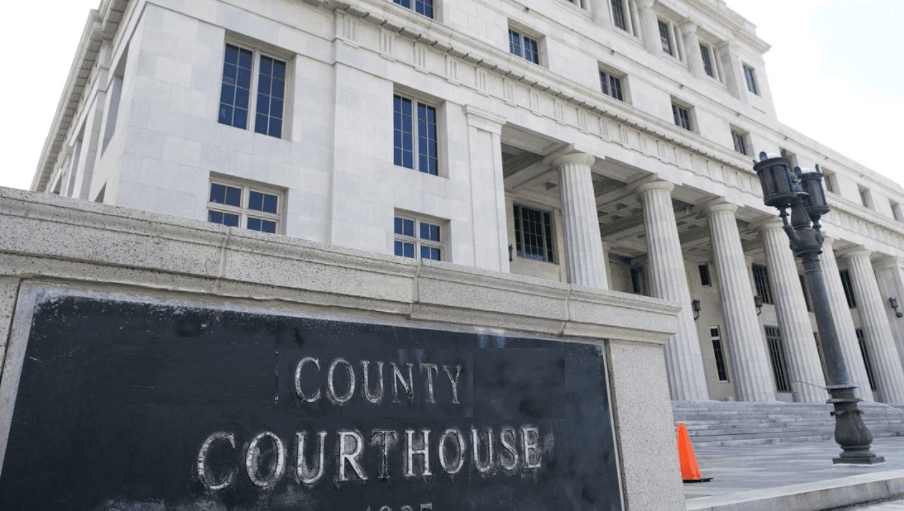
In most situations, the original will is filed with the probate court in the county where the deceased person permanently lived.
For example:
Although the court names differ, the purpose is the same.
The probate court receives the original will, opens the estate when necessary, and oversees the legal administration of the deceased person’s assets.
Because probate procedures differ from state to state, always verify the filing requirements with the court serving the county where the deceased lived.
If you are responsible for handling a loved one’s estate, use this checklist as a guide.
✔ Locate the original signed will. The probate court will usually require the original document rather than a photocopy.
✔ Obtain several certified copies of the death certificate. Banks, insurance companies, investment firms, and government agencies often require certified copies.
✔ Identify the correct probate court. The will is generally filed in the county where the deceased maintained their permanent residence.
✔ Complete any required probate forms. Each state has different forms and filing procedures.
✔ File the original will. Submit the original will, required forms, filing fee, and any supporting documents required by the court.
✔ Receive the court’s appointment. After reviewing the filing, the court may issue documents giving the executor legal authority to administer the estate. Depending on the state, these documents may be called Letters Testamentary or Letters of Administration.
Filing the will is only the beginning of the probate process.
Once the court accepts the filing, the executor generally begins carrying out the responsibilities described in the will and required by state law.
Those responsibilities often include:
The amount of court supervision depends on the laws of the state and the complexity of the estate.
Some estates can be settled within a few months, while others may take a year or longer.
Finding the original will is often the most difficult part of the probate process.
Many people assume that once someone creates a will, their family will automatically know where it is. Unfortunately, that is rarely the case.
Over the years, one pattern has remained consistent. Families are often unsure whether a will exists, where it was stored, whether it was replaced by a newer version, or which attorney prepared it.
Even when everyone agrees there was a will, locating the original document can take days or even weeks.
The delay is usually not caused by legal disputes. It is caused by missing information.
Common places families search include:
In many cases, relatives simply do not know where to begin.
That uncertainty can delay probate, postpone the distribution of assets, and create unnecessary stress during an already difficult time.
Most probate delays are not caused by complicated legal issues. They result from simple mistakes that can often be avoided.
Some of the most common mistakes include:
Many states require the original will to be delivered to the probate court within a specific period after death.
Waiting weeks or months can delay the appointment of the executor and slow the administration of the estate.
A will is generally filed in the probate court for the county where the deceased person permanently resided.
Filing in the wrong jurisdiction can require additional paperwork and delay the case.
People sometimes discover multiple wills.
Generally, the most recent valid will controls. However, determining which document is legally effective may require review by the probate court.
Keeping only the current signed original and clearly identifying older drafts can help reduce confusion.
Family members occasionally assume another relative or attorney has already handled everything.
Before making assumptions, confirm whether the will has actually been submitted to the probate court.
This is one of the most common problems families encounter.
Even when everyone agrees that a will exists, no one may know where the original document was placed.
Without that information, probate may be delayed while the family searches multiple locations.
Many people ask whether a photocopy is good enough.
Sometimes it is not.
Probate courts generally prefer the original signed will because it provides the strongest evidence of the deceased person’s final intentions.
If only a copy can be found, the court may require additional evidence before accepting it.
Depending on state law, the court may ask questions such as:
These additional proceedings can increase costs and extend the probate process.
For that reason, protecting the original will is one of the simplest ways to make estate administration easier for surviving family members.
Most missing wills are not actually lost forever.
Instead, they are simply difficult to locate because life changes over time.
Common situations include:
These situations are far more common than many people realize.
Fortunately, they are also preventable with proper planning.
Creating a will is only part of good estate planning.
Making sure your family can locate it is equally important.
One of the simplest steps you can take is documenting where the original will is stored and ensuring your executor knows how to access it.
Many people also choose to register the location of their will with The U.S. Will Registry.
The Registry does not store the will itself.
Instead, it records information about the will’s existence and where the original is located. That information may help surviving family members identify where to begin their search if the original cannot be immediately found.
Documenting a will’s location can reduce uncertainty, shorten the search process, and help the executor move forward more quickly once probate begins.
These two actions serve different purposes, yet they are often confused.
|
Filing a Will |
Registering a Will |
|
Occurs after death |
Usually completed during the person’s lifetime |
|
Begins the probate process |
Documents the location of the will |
|
Requires the original will |
Does not require storing the will itself |
|
Completed with the probate court |
Completed with a will registry |
|
Gives the court authority to begin estate administration |
Helps families know where to begin searching |
Registering a will does not replace probate.
Likewise, filing a will with the probate court does not solve the problem of locating a missing original. Each step serves a different purpose.
One of the most valuable lessons learned over the years is that probate problems often begin long before anyone enters a courtroom.
Families estate settlements are usually not delayed because they disagree.
They are delayed because they are missing basic information.
They may not know:
When those questions are answered ahead of time, the probate process often becomes much smoother.
Good estate planning is not only about writing a legally valid will.
It is also about making sure the right people can find it when the time comes.
Preparing today can spare your loved ones unnecessary frustration tomorrow.
Knowing how to file a will is only part of protecting your family’s future. The other part is making sure your loved ones can actually locate the original document when they need it.
Families often assume the hardest part of estate administration is probate itself. In reality, one of the most common delays occurs before probate even begins because no one knows where the original will is stored.
Planning ahead can make a meaningful difference.
Keeping the original will in a secure location, informing your executor where it is stored, reviewing it after major life events, and documenting its location are simple steps that can reduce uncertainty and help your family move forward more efficiently.
At The U.S. Will Registry, we’ve spent nearly three decades helping families locate wills and understand the next steps after a death. One lesson has remained consistent: preparing today can spare your loved ones unnecessary stress tomorrow.
Each state sets its own deadline for filing a will with the probate court. Some states require the original will to be submitted within a matter of days after learning of the death, while others allow more time. Missing a filing deadline can delay probate and create additional legal complications. Check with the probate court in the county where the deceased person lived for the specific requirements that apply.
The executor named in the will is usually responsible for filing it. If the executor is unable or unwilling to serve, another qualified individual, such as the person holding the original will or a court-appointed personal representative, may be responsible under state law.
If a will is not filed, the probate process may be delayed or never begin. Beneficiaries may not receive their inheritance on time, financial institutions may refuse to release assets, and the court may eventually appoint someone else to administer the estate. In some situations, the estate could be administered under state intestacy laws if no valid will is presented.
No. Filing a will generally occurs after death and begins the probate process by submitting the original will to the probate court. Registering a will is completed during a person’s lifetime and documents where the original will is located, making it easier for family members to locate it later. One does not replace the other.
Each state sets its own deadline for filing a will with the probate court. Some states require the original will to be submitted within a matter of days after learning of the death, while others allow more time. Missing a filing deadline can delay probate and create additional legal complications. Check with the probate court in the county where the deceased person lived for the specific requirements that apply.
The executor named in the will is usually responsible for filing it. If the executor is unable or unwilling to serve, another qualified individual, such as the person holding the original will or a court-appointed personal representative, may be responsible under state law.
If a will is not filed, the probate process may be delayed or never begin. Beneficiaries may not receive their inheritance on time, financial institutions may refuse to release assets, and the court may eventually appoint someone else to administer the estate. In some situations, the estate could be administered under state intestacy laws if no valid will is presented.
No. Filing a will generally occurs after death and begins the probate process by submitting the original will to the probate court. Registering a will is completed during a person’s lifetime and documents where the original will is located, making it easier for family members to locate it later. One does not replace the other.
This article was reviewed for legal accuracy by Shawn Patrick Wolf, Esq. Mr. Wolf is Board Certified in Wills, Trusts and Estates and in Tax Law. He serves on the Board of Directors of the East Coast Estate Planning Council and the Palm Beach Tax Institute.
