

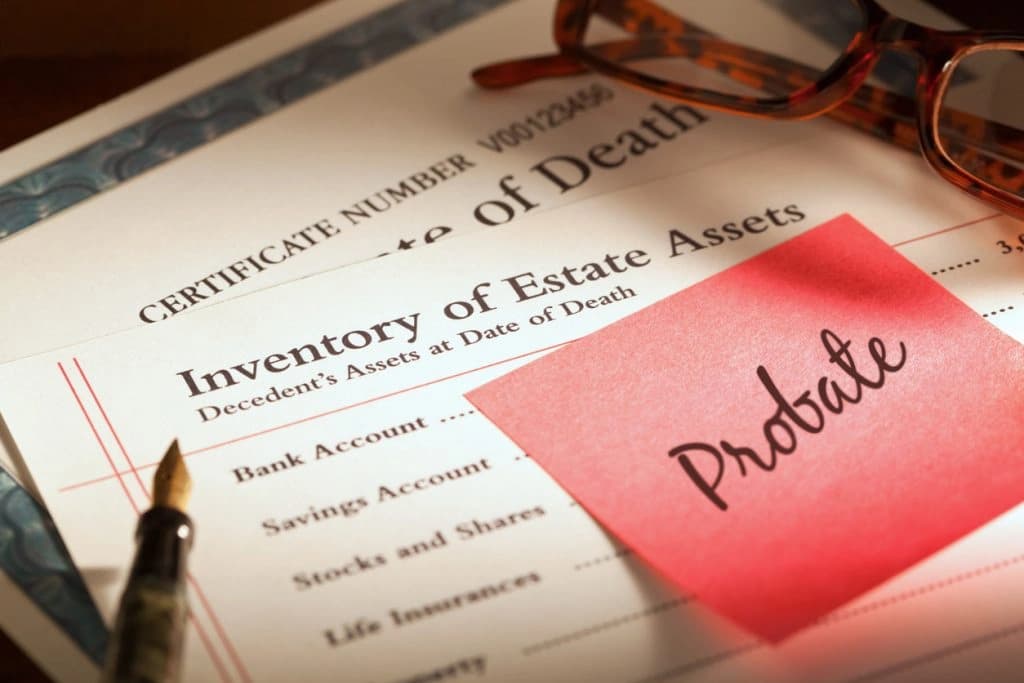
Probate without a will becomes very challenging and can quickly intensify stress at home. It often stirs emotions and complicates every probate step. Families sometimes lose track of vital papers, or never knew a will existed. This article shares clear, practical tips to find a will fast and reduce delays. You’ll learn where to search, how to organize a system, and when to seek help.
Before assuming that probate must proceed without a will, it’s essential to exhaust every possible method of locating one. Begin by thoroughly searching the deceased’s home, including file cabinets, safes, and hidden storage areas. Check for a safe deposit box at their bank, which often holds important documents like wills. It’s also wise to ask close relatives, friends, or long-time advisors if they know of a will’s existence or location. Additionally, use resources like The U.S. Will Registry, which offers a free national search tool and a missing will database. This can help determine if a will was registered or stored with an attorney. Taking these steps can prevent unnecessary intestate proceedings and ensure the deceased’s wishes are honored.
Search The U.S. Will Registry for a Missing Will
Probate refers to the legal process of administering the estate of deceased persons. First, it involves identifying, collecting and distributing assets of a decedent to his or her heirs. Additionally, this is a court-monitored procedure which could entail appointment of personal representative(s) in coordination of estate affairs.
Personal representative tasks are broken down into three categories: recording possessions, discharging debts as well as paying beneficiaries their shares. In addition, an attorney should help you draft letters sent to both creditors and beneficiaries.
Filing may be easier with a good accessible will. Free registration for making things easier can be done at The U.S. Will Registry which also provides storage for estate documents.
It depends on your state and the estate’s complexity. Some courts let you file without a lawyer for small or simple estates. That option is often called summary or simplified probate. However, formal probate can require an attorney in many states. Even when not required, a lawyer reduces mistakes and delays.
Consider hiring counsel if any red flags appear. Watch for real estate sales, business interests, heavy debt, family disputes, or out-of-state assets. An attorney handles notices, deadlines, inventories, creditor claims, taxes, and court hearings. Fees may be flat, hourly, or set by statute. Start with a short consultation. Check your local court’s self-help guides and legal aid resources, then decide.
CLICK HERE TO FIND A PROBATE ATTORNEY IN YOUR AREA
Understanding some major concepts is important in comprehending what probate entails.
The County Clerk of Court manages all legal proceedings within the county where the dead person lived. All applicable forms and paperwork can be obtained from the County Clerk of Court office for use during such times therefore one should carry with him/her all relevant documents like death certificates, identification cards and proof of residence.
When someone dies intestate it means they die without leaving any valid writings behind them. As such distribution rules laid by state law would require taking place through probate in such cases turning out complex and many hours consuming hence understanding your options before starting is crucial.
The court resolves issues related to Estate settling – who gets what? Who pays? Who does not pay up?
To start off, one has to file a petition in probate court where the deceased lived. You will need death certificates, deeds, and tax returns among other things for this process. Additionally, you may have to publish a notice of administration in your local paper depending on what your state law says. The U.S. Will Registry provides free public notices.
A personal representative is assigned by the court to handle the probate process of their estate. This individual’s role entails gathering up and dispensing assets according to the laws of the state. He or she may also have to pay debts or taxes owed by the decedent’s estate and even prepare its tax returns.
The next step once all assets are collected is identifying who should get them and distributing such items in accordance with rules laid down by every state. Such beneficiaries might be friends, families or charities.
Probating an estate is essential when someone dies without writing any wills whatsoever. This helps identify those eligible for entitlements as well as establish ways of sharing these assets among the beneficiaries This can become complicated so it is important to seek legal advice when filing probate without a will.
Often state law provides a detailed guide to be followed for different situations (divorce, no living immediate family members, etc.).
Formal Administration, Summary Administration and Disposition Without an Administration
Summary Administration applies when the estate is worth $75,000 or less or if the death occurred over two years ago. Consequently, this process is expedited compared to **Formal Administration**.
Disposition Without Administration skips the hearing phase of probate but only occurs in certain cases that involve peculiar circumstances where the estate has very few financial resources.
Formal Administration is the standard, most common form of probate. Typically, the process starts once an individual passes away and the executor of the will petitions the court to become appointed as personal representative. This form of administration is found in most cases.
The timeline of probate varies depending on how convoluted an estate is and whether there are any disagreements among heirs and beneficiaries. By and large, from retention of attorney until finalization takes around 6-12 months except if there are complex legal issues involved with respect to decedent’s property rights.
Probate with a will steps include:
For several reasons it takes longer to go through probate without a will than with one. Firstly, when there is no will to provide clear instructions on what should happen at death, state laws have intestacy provisions that will dictate who gets what assets after someone dies. Disputes between potential heirs may also arise because they do not know how to share their assets, which slows the procedure.
When you do not have a will, the legal proceedings tend to be complex. Hence the court has to apply statutory guidelines in order to establish rightful beneficiaries and distributions according to state laws.
When there is no will, several people may stake claims on one estate. As a result, arguments between family members and other stakeholders might end up necessitating more court appearances causing delays in probate processes.
Probate without a will usually requires close judicial scrutiny. Therefore, the court needs to satisfy itself that the distribution complies with legal requirements which adds another level of supervision.
Identifying and valuing assets becomes complicated when someone dies intestate. Such an exercise might require looking into the estate of the deceased person more extensively than usual if there is no express intent from a will.
Sometimes, probate courts need to appoint an administrator for estates where there is no named executor in a will. This could take some time particularly if they are not able to agree or determine who among them should be appointed as administrator.
When no will exists, potential heirs and beneficiaries face complications. Informing them about their status can involve legal procedures to determine their eligibility before distributing assets. This adds extra complications and uncertainties to the probate process compared to cases with clear, valid wills.
During the probate process, disputes sometimes arise. These disagreements might concern how to distribute property or other issues related to managing the estate. If disputes occur, it’s important to get legal advice because they can cause major delays.
Filing probate without a will is often complex and time-consuming. It’s important to understand all the steps, including visiting the County Clerk of Court, filing with probate court, appointing a Personal Representative, identifying beneficiaries, and handling any future disputes.
Probate without a will should start with a thorough search. Check a bank safe-deposit box, home safe, filing cabinets, and the home office. Ask relatives, the family attorney, and the named executor. Review computers and cloud storage. Then search The U.S. Will Registry to confirm whether a will was registered or stored with counsel.
A2: Probate without a will often takes longer than probate with a will. Courts must apply intestacy rules, identify heirs, and resolve disputes. Asset identification, creditor notices, and hearings add time. Timelines vary by state and complexity, but months to more than a year is common, especially when assets, debts, or family disagreements require extra court supervision.
Probate without a will requires the court to appoint a personal representative, sometimes called an administrator. This person gathers assets, pays debts and taxes, and distributes property under intestacy laws. If relatives disagree about who should serve, the court decides. Because duties are technical, many states expect or require attorney involvement during administration.
Requirements vary by state and estate size. Some courts allow you to proceed without counsel, especially for small or simple estates. However, many states require an attorney for formal administration. A lawyer helps meet deadlines, notify creditors and heirs, value assets, and resolve disputes. When unsure, check local rules and consult counsel.
This article was reviewed for legal accuracy by Shawn Patrick Wolf, Esq. Mr. Wolf is Board Certified in Wills, Trusts and Estates and in Tax Law. He serves on the Board of Directors of the East Coast Estate Planning Council and the Palm Beach Tax Institute.
