

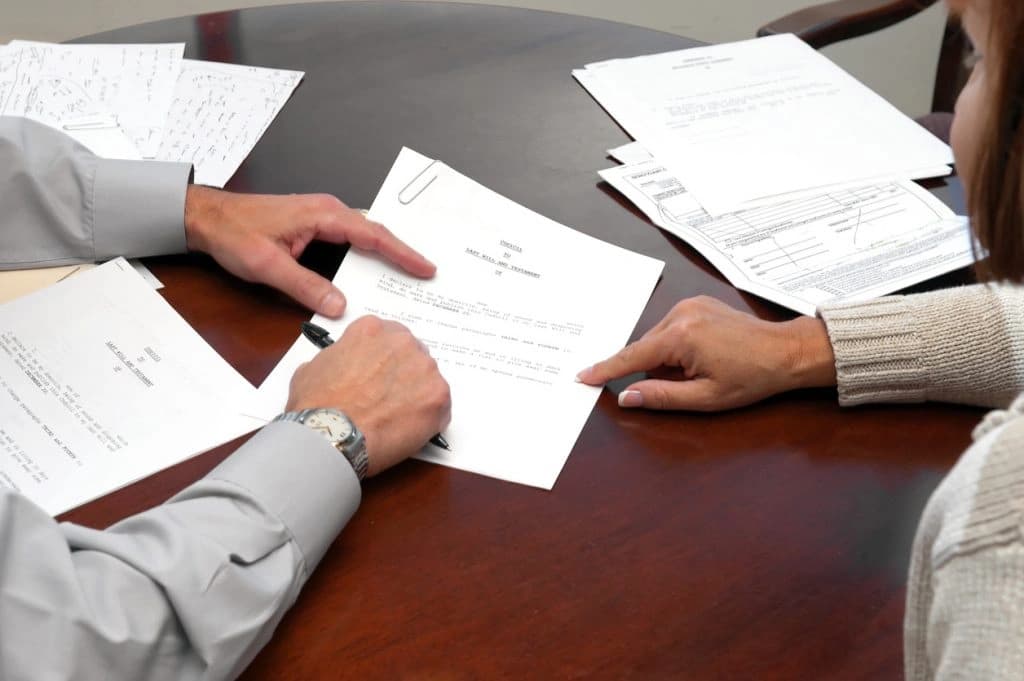
What is a designated beneficiary is one of the most important questions in estate planning because it determines how your assets are passed on. Writing a will can be a difficult subject that few people want to talk about or consider. Nonetheless, it is a critical step in the estate planning process. A will helps you organize your legal and financial affairs, saving your loved ones from unnecessary stress and conflict. But how do you start planning for a designated beneficiary?
When planning your estate, there is a good chance you will have multiple beneficiaries. Determining who gets what can quickly become confusing. Often, people who use designated beneficiaries have limited information about how the process works or what legal consequences may follow.
This guide is designed to make estate planning more straightforward. The U.S. Will Registry has created a legal, simple online will program that makes it easy to pick both designated and backup beneficiaries. This gives you peace of mind, knowing that your assets will go to those who are most deserving.
A designated beneficiary is a person or entity you choose to directly receive specific assets upon your death. Beneficiary designation allows you to transfer assets to individuals directly, without considering the terms of your will. In many cases, the designated beneficiary designation will override what you wrote in your will.
For example, if your retirement account lists your spouse as the designated beneficiary but your will leaves everything to your children, the spouse will receive that account directly. This is because contracts for retirement accounts, annuities, and insurance policies are legally binding.
You can designate beneficiaries when you set up retirement accounts, financial accounts, or life insurance policies, and it is important to review these designations regularly to keep them accurate.
Most people designate family members or close friends as their beneficiaries. However, you can also name your estate as the designated beneficiary. In that case, the assets will be included in your estate and distributed according to your will.
The treatment of the account and funds often depends on the beneficiary’s relationship to you. For example, naming your spouse as an IRA beneficiary allows them to transfer the assets into their own IRA account after your death. Non-spouse beneficiaries, like children or siblings, do not have the same rollover options. Instead, they may be required to withdraw the funds within a certain period of time.
Designating your estate as the beneficiary might make sense if you want the assets to be controlled by your executor, but this also means the funds must pass through probate, which can take months.
Estate planning often involves more than one level of beneficiaries. You may want to ensure your spouse receives funds first, but also have a backup plan in case your spouse predeceases you.
The primary beneficiary is the individual or entity with first priority. If the primary beneficiary cannot receive the assets, then the contingent, or backup, beneficiary receives them instead. This structure adds flexibility and prevents assets from automatically reverting to the estate.
For example, a parent may name their spouse as the primary beneficiary of a life insurance policy and their children as contingent beneficiaries. If the spouse passes away first, the funds will go directly to the children without needing a court to decide.
Beneficiaries in a will can be primary, contingent, or residuary.
A primary beneficiary is the first person or entity who receives the asset. If the primary beneficiary cannot inherit (for example, if they pass away before you), the contingent or backup beneficiary will receive the asset. This ensures the property still goes to someone you have chosen, rather than reverting to the estate and potentially passing through probate court.
For example, if you leave your home to your spouse as the primary beneficiary but your spouse dies before you, a contingent beneficiary such as your child will receive the property instead.
In addition to specific bequests, wills often include a “residuary clause.” This names a beneficiary to inherit everything not specifically listed in the will. Without a residuary beneficiary, assets not clearly accounted for may be distributed according to state law, which may not align with your wishes.
When drafting a will, it is important to account for life changes that can affect your beneficiaries. Some scenarios to consider include:
Simultaneous death: If both you and a beneficiary die in the same accident, who inherits next?
Multiple heirs: If you leave property to more than one person, do they inherit equally, or in specific percentages?
Charitable gifts: Do you want a portion of your estate to go to a charity if your primary heirs predecease you?
Including backup beneficiaries in your will prevents confusion, family disputes, and unnecessary probate complications. It also ensures your wishes are followed in every situation, not just the ideal one.
The U.S. Will Registry’s online will program makes adding both designated and backup beneficiaries simple. It guides you through the process step by step so you do not overlook these important details.
Almost anyone or anything can be designated as a beneficiary, including individuals, charities, and trusts. However, some restrictions exist.
Because of these potential complications, it is always wise to review your designations with a professional.
Designating beneficiaries ensures that your loved ones are cared for immediately after your death. These assets are passed directly to the beneficiary, bypassing the often long and expensive probate process. This saves time and money and reduces stress for grieving family members.
Consider this scenario: A parent leaves a life insurance policy to their child as a designated beneficiary. Within weeks of the parent’s passing, the child receives the payout and can cover funeral expenses and financial obligations. If the same money had been tied up in probate, the child might have waited months before accessing it.
A common misconception is that a will overrides beneficiary designations. In reality, designations take precedence over wills. This is why keeping them current is essential.
Because beneficiary designations take effect immediately after death, they override any instructions written in your will. This can create unintended consequences if designations are not updated.
The U.S. Will Registry’s online will program makes this process easier. It allows you to quickly choose both primary and backup beneficiaries. Just as importantly, you can update your will whenever your life changes, so your designations always reflect your wishes.
One of the biggest challenges families face is failing to keep wills and designations current. The U.S. Will Registry addresses this by offering a free, user-friendly, and legal online will program.
This program helps you:
By creating and storing your will with The U.S. Will Registry, you gain the peace of mind that your final wishes will be honored and your family will not struggle to locate important documents.
Create Your Free Legal Will Today Using The U.S. Will Registry Make a Will Program
Making and updating beneficiary designations is a vital part of estate planning. It protects your family from financial stress and legal complications. It also ensures that your assets are transferred directly to the people or organizations you choose.
The U.S. Will Registry provides a simple, legal online will program that makes it easy to select both designated and backup beneficiaries. By using their program, you can plan confidently, update your choices as life changes, and give your family the peace of mind they deserve.
Almost anyone or any entity can be named as a beneficiary of a will. People often choose spouses, children, or other family members, but friends, charities, and trusts may also be included. Naming your estate itself as a beneficiary is another option, though those assets will then pass through probate.
A primary beneficiary is the first person or entity entitled to inherit the asset you specify. A contingent beneficiary, sometimes called a backup, only receives the asset if the primary beneficiary cannot inherit—for example, if they pass away before you or decline the inheritance. Naming both provides flexibility and prevents assets from going through probate unnecessarily.
In most states, minors under 18 (or 21 in some places) cannot directly inherit from retirement accounts, annuities, or life insurance policies. If you name a minor, the court may appoint someone to manage the funds. Also, naming someone with special needs could affect their government benefits. In these cases, creating a trust is a better option.
A residuary beneficiary is the person or entity who receives everything left in your estate that is not specifically listed elsewhere in the will. This clause ensures that any overlooked or leftover property is distributed according to your wishes, instead of by state law.
This article was reviewed for legal accuracy by Shawn Patrick Wolf, Esq. Mr. Wolf is Board Certified in Wills, Trusts and Estates and in Tax Law. He serves on the Board of Directors of the East Coast Estate Planning Council and the Palm Beach Tax Institute.
