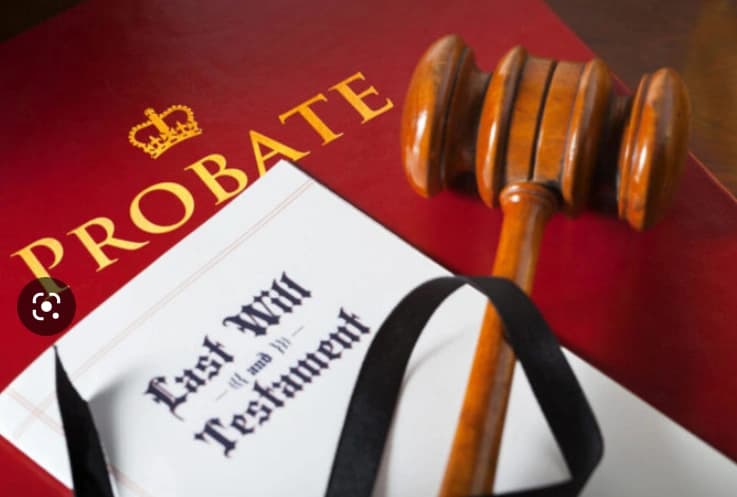
Wills and probate work together when a person dies. A will states who should receive a person’s property and who should manage the estate. Probate is the legal process used to validate the will when required, appoint the executor, pay valid debts, and distribute probate assets. Having a will does not automatically avoid probate.
Does a Will Have to Go Through Probate?
A will may need to be submitted to probate court after the person who made it dies. However, whether a full probate proceeding is necessary depends on the assets involved and the laws of the state.
Probate gives the court a process for recognizing the will and appointing the executor or personal representative who has legal authority to administer the probate estate.
If you are unsure whether a will has already been filed, see
How to Find Out If a Will Was Filed in Court.
What Happens to a Will During Probate?
After death, the original will is generally submitted to the appropriate probate court. Procedures vary by state, but the process commonly includes:
- Filing the will with the appropriate court
- Opening the probate estate when required
- Determining whether the will can be admitted to probate
- Appointing an executor or personal representative
- Identifying and valuing probate assets
- Addressing valid debts, expenses, and taxes
- Distributing remaining probate property to beneficiaries
- Closing the estate
For a better understanding of the court’s role, see
What Is Probate Court?.
Does Having a Will Avoid Probate?
No. Having a will does not automatically avoid probate.
This is one of the most common misunderstandings about wills and probate. A will provides instructions for distributing probate property after death. Probate is the legal process that may be used to carry out those instructions.
However, not everything a person owns necessarily becomes part of the probate estate.
Assets that may pass outside probate include:
- Life insurance with a named beneficiary
- Retirement accounts with named beneficiaries
- Payable-on-death accounts
- Transfer-on-death assets where permitted
- Certain jointly owned property with survivorship rights
- Property properly transferred into a trust
How an asset is owned and whether it has a beneficiary designation can determine whether it passes through probate.
What Is a Probate Estate?
A
probate estate generally consists of property that must be administered through the probate process.
For example, property owned solely in the deceased person’s name without a beneficiary designation, survivorship provision, trust, or another method of transferring ownership may become part of the probate estate.
Other assets can transfer directly to another person without going through probate.
This means the value of someone’s probate estate may be very different from the total value of everything the person owned.
What Happens If Someone Dies Without a Will?
When someone dies without a valid will, the person is said to have died
intestate.
Probate may still be required. The major difference is that there is no will telling the court who should receive the probate property.
Instead, state intestacy laws generally determine which relatives inherit.
The court may also appoint an administrator or personal representative to manage the estate.
Without a will, the deceased person loses the opportunity to provide their own instructions concerning matters such as:
- Who should receive probate property
- Who should serve as executor or personal representative
- Who should be nominated as guardian for minor children
- How certain personal property should be distributed
Learn more about
what happens when someone dies without a will.
Is Probate Easier If There Is a Will?
In many cases, a properly prepared and legally valid will can make estate administration clearer.
The will provides written instructions about who should receive probate property and usually identifies the person the deceased wanted to serve as executor.
However, having a will does not guarantee that probate will be simple.
Problems can arise when:
- The original will cannot be found
- More than one version of the will exists
- Someone contests the will
- Beneficiaries disagree
- Estate assets are difficult to identify
- The estate has substantial debts or tax issues
- The will was not properly executed according to state law
Because probate laws differ by state, the procedures and requirements depend on where the estate is administered.
What If the Original Will Cannot Be Found?
A missing original will can create significant problems for an estate.
Family members may know that a will was created but have no idea where it was stored. They may also remember that an attorney prepared the will but not remember the attorney’s name.
When a will cannot be found, the family can:
- Check the deceased person’s important papers
- Look in a home safe or safe-deposit box
- Contact attorneys the person may have used
- Check the appropriate probate court
- Search a national will registry
For additional steps, see
How to Find a Will.
If you believe the will may already have been filed with a court, see
How to Find a Will in Probate Court.
Can You Search for a Missing Will?
Yes. If a family cannot locate a will, several sources may need to be searched because the document may never have been filed with a probate court.
The U.S. Will Registry provides a national resource for registering and searching for the location of wills. The Registry does not replace probate court and does not store the will itself.
A
Missing Will Search can help determine whether information was registered identifying the location of a will or the attorney associated with it.
This can be particularly useful when a family believes a will exists but does not know where to find it.
When Does a Will Become Public?
A will is generally a private document during the person’s lifetime.
After death, when a will is filed with the probate court, it may become part of the court record. Public access rules vary by jurisdiction.
For more information, see
Are Wills Public Record?.
How Long Does Probate Take With a Will?
There is no single timeline for probate.
A relatively straightforward estate may take several months, while complicated or contested estates can take considerably longer.
The length of probate may depend on:
- State probate laws
- The size and complexity of the estate
- Whether the original will is available
- Creditor claim periods
- Tax matters
- Real estate or other property that must be sold
- Disagreements among beneficiaries
- Challenges to the validity of the will
Having an organized estate plan and an accessible original will can help prevent avoidable delays, but they cannot eliminate all probate requirements.
Do All Wills Need a Probate Attorney?
Not necessarily. Probate procedures and attorney requirements vary by state and by the circumstances of the estate.
Professional legal assistance may be particularly important when the estate is complicated, the original will is missing, someone contests the will, substantial creditor claims exist, or family members disagree about how the estate should be handled.
An executor who is uncertain about their legal responsibilities should consider consulting a probate or estate attorney licensed in the state where the estate is being administered.
What Is the Most Important Thing to Know About Wills and Probate?
A will and probate serve different but connected purposes. A will provides instructions for what should happen to probate property after death. Probate is the legal process that may be necessary to recognize those instructions, appoint someone to administer the estate, address valid debts, and transfer probate assets to beneficiaries.
Creating a valid will is important. However, the will also needs to be found when the person dies. In order for probate to go smoothly, it is essential to make every effort to find a will, and make certain it is the most current will.