
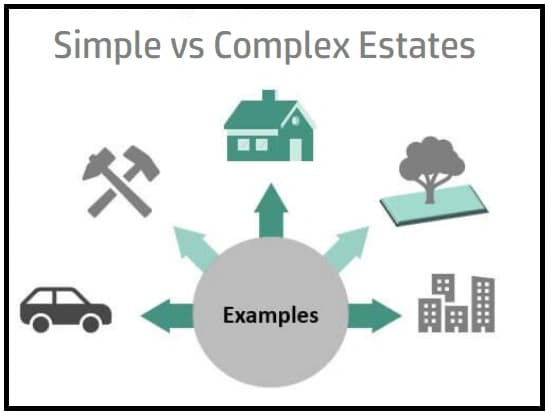
When planning your estate, one of the most important steps is understanding whether you have a simple or complex estate. This distinction affects the legal tools you’ll need, the complexity of your will, and whether you should use a trust. Knowing the difference also helps you avoid unnecessary legal costs and ensures your loved ones are protected.
This guide explains the differences between simple and complex estates, when a trust is necessary, and why starting with a basic online will is a smart first step—even for more complicated situations.
A simple estate generally includes:
If your estate is straightforward and your wishes are basic, a simple will may be enough.
A complex estate usually involves:
This type of estate requires more careful planning. A will alone may not be sufficient to manage all the variables.
A simple will is a legally valid document that:
Online will programs are a good fit for simple estates. They offer guided templates that are quick to complete and legally compliant.
No, not fully. If you have a complex estate, an online will can’t cover all your needs. However, it’s still a helpful place to start. Many estate attorneys recommend creating a basic will online first to:
Your online draft becomes a useful template to bring into your attorney’s office for review and expansion.
Legally, there is no such thing as a complex will. The term is often used informally to describe a will that includes more detailed instructions to address complicated estates.
A so-called “complex will” might:
It is still a will—but it’s drafted to coordinate with other legal tools, often under an attorney’s guidance.
| Feature | Complex Will | Trust |
|---|---|---|
| When it takes effect | After death | During lifetime or after death |
| Avoids probate | No | Yes |
| Public or private | Public | Private |
| Can manage assets in life | No | Yes |
| Can name guardians | Yes | No |
| Tax planning potential | Some | Strong |
A trust is a separate legal entity. It holds and manages assets, bypasses probate, and protects privacy. A will, no matter how detailed, still goes through probate and only takes effect after you pass.
You likely need a trust if:
In these cases, a trust offers more flexibility, privacy, and legal protection.
If you create a trust, you won’t need a standard will—but you will need a pour-over will.
A pour-over will:
Without it, those untitled assets might pass through probate and be distributed according to state law, not your wishes.
Despite the advantages of a trust, some people still use only a will. Reasons include:
Even in these cases, starting with an online will can help clarify your plan.
| Your Situation | Best Approach |
|---|---|
| Basic estate, under $1 million | Use a simple online will |
| Multiple properties or accounts | Use a trust with a pour-over will |
| Blended family or special needs child | Use a trust with attorney-drafted will |
| Business ownership or tax concerns | Use a full estate plan with trust and legal review |
Start by creating a simple will using a trusted platform like The U.S. Will Registry. Then, bring that draft to an attorney to include items that need special legal attention.
An estate is considered complex if it involves business ownership, multiple properties, international assets, or large investments. These situations often require legal customization beyond a basic will.
Creating a basic will through The U.S. Will Registry lets you organize your thoughts without pressure. It helps save time and money when you later meet with an attorney.
An online will, like those offered by The U.S. Will Registry, can handle many basics. However, it’s best to have an attorney review and expand on it if your estate involves complicated assets.
Assets under $1 million with no complex legal or family issues.
High-value assets, multiple properties, businesses, or special family dynamics.
Yes. A trust helps avoid probate, manage taxes, and protect your assets.
Yes. A pour-over will catches any assets not titled in your trust.
Want to create a legally valid will today? The U.S. Will Registry offers the most user-friendly, free online will platform available. Start your will in minutes—and give your family the clarity they need for the future.
This article was reviewed for legal accuracy by Shawn Patrick Wolf, Esq. Mr. Wolf is Board Certified in Wills, Trusts and Estates and in Tax Law. He serves on the Board of Directors of the East Coast Estate Planning Council and the Palm Beach Tax Institute.
