Where to File a Will?
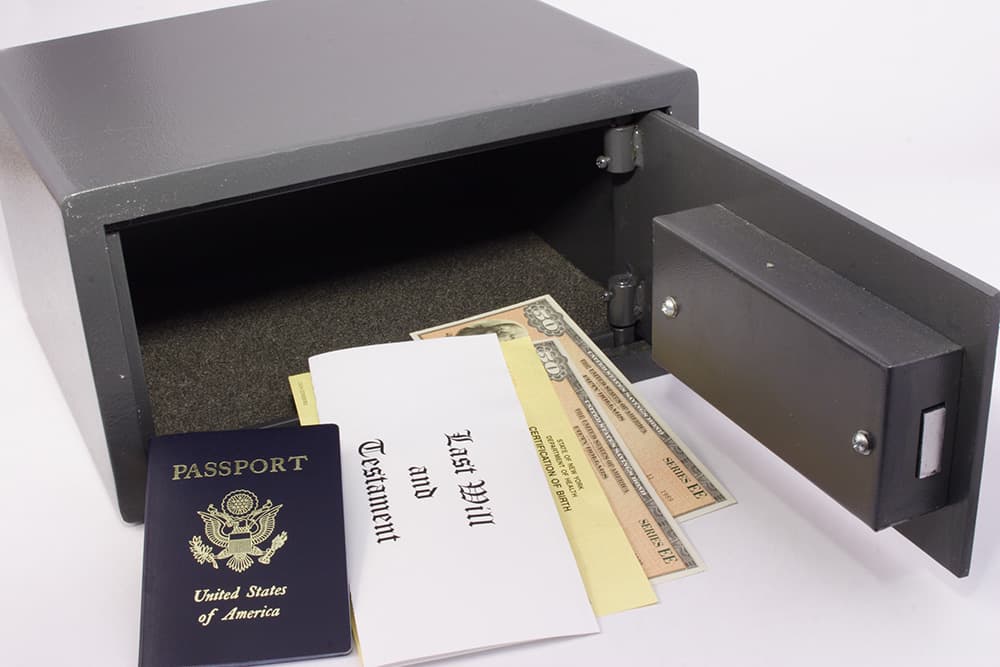
A Will contains your last wishes and requires safe storage. Apart from ensuring that it is safe, proper storage also ensures that trusted individuals can easily access your Will after your death. The following are some tips on where to file a Will and store it safely, but each has advantages and disadvantages. Regardless of where your original and duplicate copy are filed, make certain to register it in a Will Registry.
File With Your Attorney
If you hired a lawyer to draft your Will, you might want to store it at your lawyer’s office. Attorneys usually have an individual safe deposit box to safeguard clients’ documents. In some States, there is a stipulation regarding how attorneys should handle or store documents like Wills. But this option has several disadvantages. For example:
- Those surviving you might be unaware of where your Will is and how to locate it in case your lawyer dies, retires, or goes to another law firm.
- Your lawyer may have an outdated Will, meaning that intestacy rules will apply when sharing your estate.
- If you decide to change or update your Will, your lawyer will not have access to the new Will.
- Family members with ill intentions may access the outdated version, which may create confusion about which Will should be most trusted.
If you feel you have no intentions of further changing your Will, you may feel like your lawyer is the best option. But it would help if you informed your executor verbally or in writing, your lawyer’s name and contact information.
Probate Court
In some States, you can file a Will with a probate court. You can also do so with any other designated court before your death. If you choose to entrust your Will with the probate court, you can worry less about something happening to it or your executor failing to find it.
In other States, Wills filed in probate court become a public record for anyone’s viewing. This may be a significant concern if you need privacy.
If you intend to make amendments to your Will, you must also update it with the court. The court records can help keep all versions of your Will. In this case, your executors and relatives can also see the amendments, which help to avoid conflict due to misunderstandings.
If you opt to file your Will with the probate court, it will help if you notify your executor to make it easier for them to locate your Will.
Safe Deposit Box
You can use a safe deposit box to keep money and other essential documents such as title deeds or a Will. An advantage of safety deposit boxes is that they ensure privacy. A person with the key is the only one that can access the box.
States have different laws about who has the right to open a safety deposit box. In many states, only the deceased remains with the right to open the safety deposit box. This means that for any other person to have opening rights, they must seek a court order, which will likely be time-consuming. Also, if no one else knows that the safety deposit box exists, they may not know where to look.
Your executor should know that you have stored your Will in a safety deposit box. Also, ensure they have a legal right to access and open it. Ensure they have an extra key in case they are unaware of where yours is. Some banks may allow you to name a revocable trust as the safety box’s owner. This allows you to accord your executor rights to access the box for a seamless transition.
In Your Home
You may also decide to store your Will at home by locking it up in a cabinet or fireproof safe. One benefit of this option is that it is free. You can also easily update your Will.
But this option can be unsafe. This is because natural disasters like fires and floods can destroy your Will. Privacy may also be another concern. You may want to keep your Will hidden from your loved ones because of concerns about their reactions if they know about it.
If you opt to store your Will at home, ensure it is safe from physical damage. Your loved ones should also know how to access it to ensure a smooth transition.
With Your Executor
Your executor can also store your Will. The executor should present your will to the probate court upon your passing. This is why they need to know your Will’s location. Entrusting the Will to your executor may be ideal if they have a safe place to store it.
An executor can pre-decease you, so make sure you have a duplicate copy somewhere else, and an alternate executor.
Online Document Storage – The Safest Place to Store a Duplicate Copy
Storing a duplicate copy of a will online is the safest and most practical solution when the original cannot be located. While probate courts always prefer the original signed will, having a securely stored duplicate may be the only way to preserve the testator’s wishes if the original is lost.
Online iCloud storage, especially through trusted platforms like SideDrawer, offers encrypted, long-term protection of your documents. Unlike traditional storage, SideDrawer allows access using only a valid ID and death certificate—no passwords are required. This makes it easier for families to retrieve the will when needed.
Where To File A Will: Will Registry
While it is crucial to store your Will safe from any damage, ensuring that your executor or loved ones access it is more important. The Will may often be ‘somewhere,’ but no one knows where to find it. Too often there is a updated Will, but no one knows where it might be. By the time they locate it, it is after the 3-6 month probationary period, and the assets are already distributed.
The only solution to ensure the safe storage of your most updated Will is to register it with the US Will Registry. Registration allows your Will to remain private and yet, found when needed. You only need to inform your loved ones that you have registered your Will. Upon registration, you will get a certificate for your records. This directs your loved ones or executor to the Registry for the location/s the Wills are stored.
Editorial Review:
This article was prepared by estate planning researchers and reviewed by S. Miller and staff. With more than 25 years of experience in estate planning documentation and probate processes, our editorial oversight ensures clarity and accuracy. This content is provided for informational purposes only and does not constitute legal advice.
[View Our Editorial Policy]