
Unclaimed Inheritance Search is essential when heirs are unaware of their rights or cannot be located. This situation can cause confusion, stress, and delays. Luckily, knowing your options can help you take action. In this guide, we’ll explain what unclaimed inheritance is, how it happens, and how you can claim what is rightfully yours.
There are several reasons why an inheritance might remain unclaimed. Let’s explore the most common ones:
When someone dies without a will, their estate goes through a legal process called intestate succession. This process can make things more complicated. Even if a will exists, but no one can find it, the court may treat it as if it doesn’t exist.
Distant relatives sometimes inherit assets without knowing it. If no one steps forward, those assets remain unclaimed.
Name changes, incorrect addresses, or outdated information can make it hard to contact heirs.
Estates with many properties, international assets, or trusts often take years to settle. During that time, heirs might move or lose interest.
If you think you might be entitled to an unclaimed inheritance, you can take several steps to search for it.
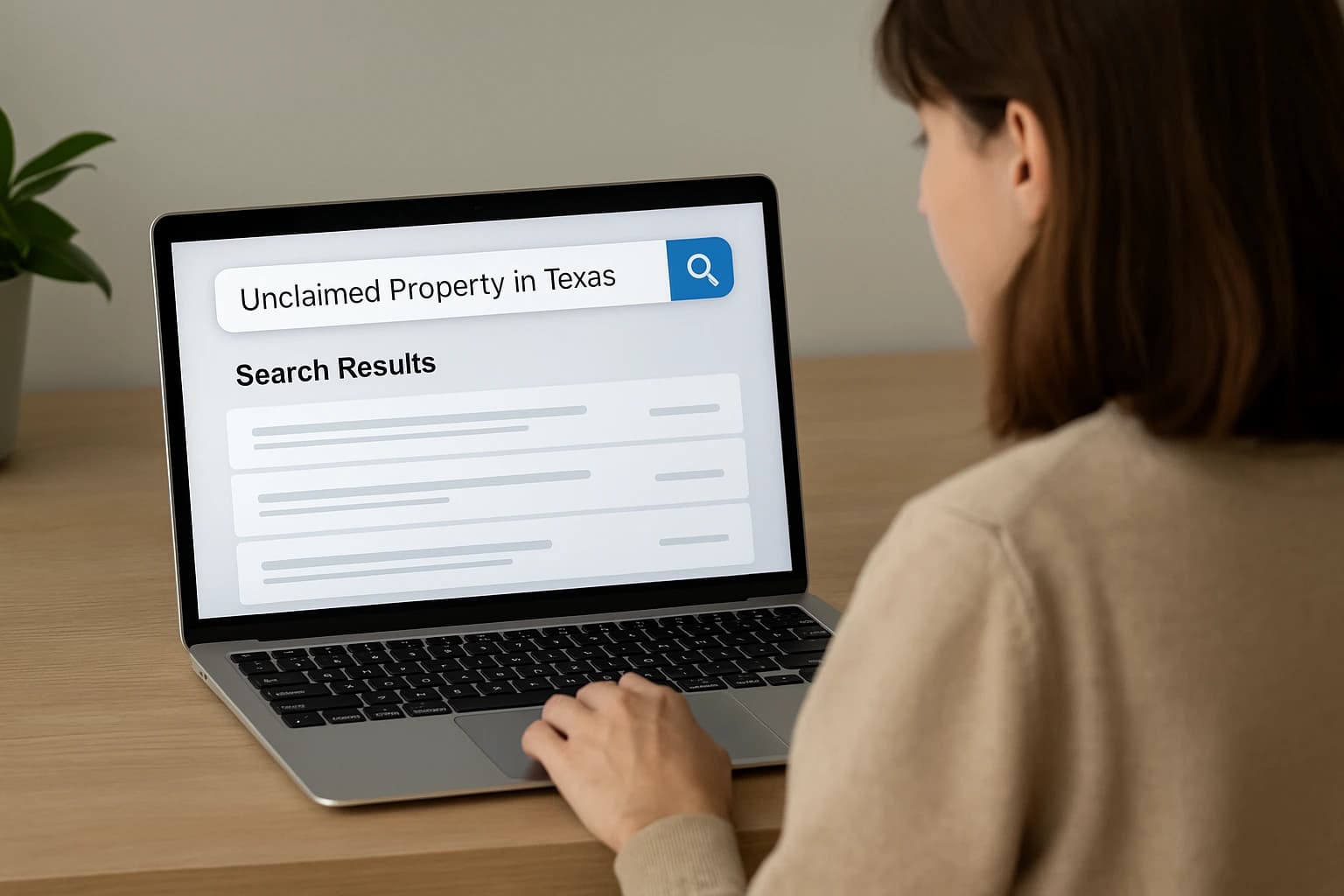
Many states offer unclaimed property databases. You can start by entering your name to check if any assets are listed under it.
Thankfully, online tools make it easier to find unclaimed inheritance. Some national databases gather information from state treasury departments. All you need to do is enter a name and address to search.
A great starting point is the National Association of Unclaimed Property Administrators (NAUPA) at www.Unclaimed.org. This site has an interactive map of the U.S. Click on the state where the deceased lived to access that state’s official unclaimed property page. Then, follow the steps to check for unclaimed assets.
Also, NAUPA often refers users to www.missingmoney.com, a trusted multi-state search site. Though not a government site, it is officially endorsed by NAUPA. One big advantage is that you can search multiple states at once. However, not all states contribute data to this site. For instance, California, Hawaii, Washington, and Oregon do not currently participate.
On Missing Money’s website, check the “Related Links” section. This area offers links to helpful government agencies. You’ll find resources like HUD refund information and U.S. Treasury savings bond inquiries. This section serves as a useful checklist for further searches.
When searching, use every name variation you can think of. People’s names may change due to marriage, divorce, or errors in records. Try nicknames, initials, or even misspellings. Also, use previous addresses. These variations can help you uncover hidden assets.
If you know where the deceased lived, visit the local probate court. Probate records can reveal unclaimed estates, and you might find important details there.
When a will cannot be found, don’t give up. The U.S. Will Registry helps families locate missing wills. It provides a secure, searchable database of registered wills. Many families use it to ensure assets are properly distributed, avoiding unclaimed inheritance problems. Searching here may help you honor your loved one’s wishes.
Click here to search The U.S. Will Registry for a missing will
What Happens to Unclaimed Inheritance?
If no one claims the inheritance after a certain period, the state takes control of the assets. This process is called escheatment.
Once you find unclaimed inheritance, follow these steps:
You will need:
Reach out to the bank, government office, or court holding the assets.
Most places require a claim form with details about your relationship and the inheritance.
The institution will review your claim. This process can take weeks or even months.
Yes, but you must follow that state’s probate laws. Some cases require ancillary probate, allowing out-of-state heirs to claim assets.
There’s no standard time limit. After escheatment, claims can still be made, but rules vary by state. Some states allow claims forever, while others have deadlines.
You might not need one for small estates. For large or complex cases, legal help can save time and stress.
Yes, an unclaimed inheritance search can uncover assets that have remained unclaimed for many years, even decades. While some states impose time limits, many allow heirs to claim old assets if they can provide proper proof. It’s worth checking historical records and databases, as some property or funds may still be recoverable.
Probate is the court process of settling an estate. If no one claims the inheritance during probate, it may remain unclaimed.
In both cases, heirs should act quickly to claim what they are owed.
You can take action now to make sure your family never faces this problem. Missing wills cause many inheritance problems.
A valid will clearly shows who should receive your assets. This prevents delays and confusion.
By registering your will with The U.S. Will Registry, your loved ones will know exactly where to find it.
Always update your address, name, and asset information.
Let your heirs know about your plans. Communication now avoids problems later.
Unclaimed inheritance happens more often than people think. If you believe you are owed something, take action. Search databases, visit probate courts, and use tools like The U.S. Will Registry. Protect your rights and ensure you receive what your loved ones wanted to leave you.
Also, plan ahead for your own estate. Create and register your will. Keep it updated. Talk to your heirs. These simple steps make sure your legacy reaches those you care about.
Many inheritances remain unclaimed because wills are lost or never made. This leads to stress, delays, and legal troubles for families.
You can avoid this by creating your estate plan now. With The U.S. Will Registry’s free online will program, it’s simple and affordable to make a valid will from home. Planning ahead gives peace of mind to you and your loved ones.
Once your will is done, keep it updated. Life changes, and so should your will. Register it with The U.S. Will Registry, so your family always knows where to find it. This way, they can follow your wishes without confusion.
Protect your family and ensure your legacy lives on. Start your estate plan today.
Make certain your wishes are known.
Create and Update Your Free Will Now!
Free Will Program, Free Registration and Free Storage.
Click here to get started now with The U.S. Will Registry
An unclaimed inheritance search helps families locate assets left behind by deceased relatives. Many inheritances go unclaimed because heirs are unaware, records are outdated, or no will was found. Searching databases, probate courts, and The U.S. Will Registry can uncover these assets, ensuring loved ones receive what was meant for them.
Inheritance may go unclaimed when no will is located, heirs are unknown, or estate records contain errors. Complex estates with property or trusts can also cause delays. Without proper communication or documentation, families may never realize they are entitled to assets, making an unclaimed inheritance search critical for protecting their rights.
You can search state unclaimed property databases, use national sites like Unclaimed.org, and check probate court records. The U.S. Will Registry also provides a searchable database of registered wills. Using name variations, old addresses, and related links increases your chances of uncovering hidden assets and completing a successful unclaimed inheritance search.
If no one claims an inheritance, assets may eventually transfer to the state under escheatment laws. While rules vary, heirs often can still claim assets later with proof of entitlement. This is why conducting an unclaimed inheritance search promptly is important. It ensures families recover what rightfully belongs to them.
This article was reviewed for legal accuracy by Shawn Patrick Wolf, Esq. Mr. Wolf is Board Certified in Wills, Trusts and Estates and in Tax Law. He serves on the Board of Directors of the East Coast Estate Planning Council and the Palm Beach Tax Institute.
