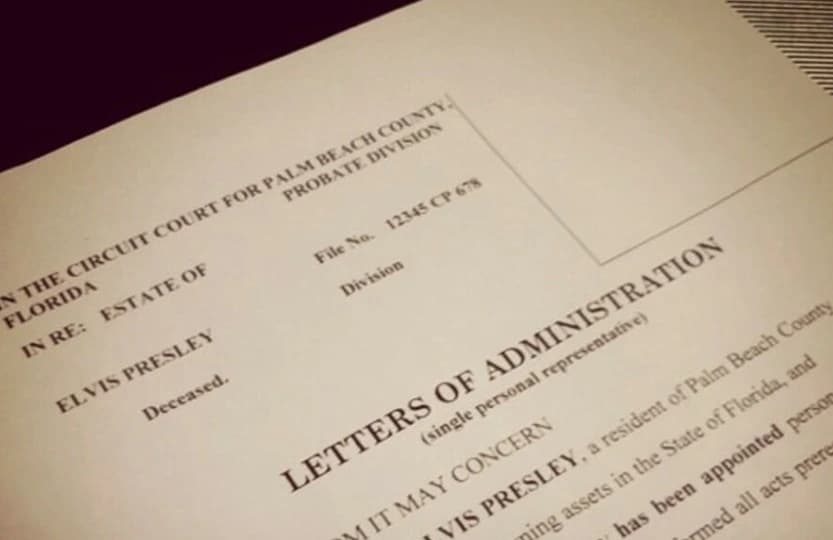
Letter of Administration is a legal document issued by a probate court that authorizes a designated individual, known as an administrator, to manage and settle the estate of a deceased person who died without a will (intestate). Therefore, this document grants the administrator the legal authority to handle the deceased’s assets, pay debts, and distribute the remaining property to rightful heirs. Without it, managing the estate can be difficult or even impossible, as financial institutions, creditors, and other entities require proof of authority to act on behalf of the estate.
Verify That a Will Does Not Exist
Before beginning the process of obtaining a Letter of Administration, it is essential to ensure that the deceased did not leave a will. Overlooking the existence of a will can lead to complications, legal challenges, and delays in administering the estate.
Here are steps to confirm whether a will exists:
-
- Search the Deceased’s Personal Documents
Check safe deposit boxes, home safes, or filing cabinets where important documents are typically stored. Look for copies of a will or any instructions about its location.
- Ask Family Members or Close Friends
Relatives or trusted friends of the deceased may know if a will was created and where it might be stored.
- Contact the Deceased’s Attorney or Financial Advisor
The deceased may have used a professional to draft the will. Reach out to any lawyers, accountants, or advisors they worked with.
- Search The U.S. Will Registry
In addition, The U.S. Will Registry is a valuable tool for locating a will. Many individuals register their wills with this service to ensure it can be found when needed. Conducting a search can help you confirm whether a will exists and where it is stored.
Start your search with The U.S. Will Registry
Find a Missing Will
A national registry to verify where a will is stored and what steps to take next
Trusted national registry since 1997
By taking these steps, you can avoid unnecessary probate delays or disputes that might arise if a will is discovered later in the process.
When You Need a Letter of Administration
You will need a Letter of Administration if:
- No Will Exists: If the deceased did not leave a valid will, the court will appoint an administrator to manage the estate and issue a Letter of Administration to grant them authority.
- Executor Named in the Will is Unavailable: If the executor named in the will is unable or unwilling to serve, the court may issue a Letter of Administration to another qualified individual, such as a family member.
- Access to Estate Assets is Required: Financial institutions, title companies, and other entities often require a Letter of Administration before allowing access to bank accounts, safety deposit boxes, or property transfers.
Why is a Letter of Administration Important?
A Letter of Administration is vital because it legally empowers the administrator to act on behalf of the estate. For example, without this document:
- No Legal Authority Exists: Without court approval, you cannot access or manage the deceased’s financial accounts, sell property, or settle debts.
- The Estate May Remain Unresolved: Without an authorized individual, creditors and heirs may face delays or confusion about how the estate will be handled.
- Fraud Risks Increase: The Letter of Administration ensures only the court-appointed administrator manages the estate, protecting it from unauthorized actions or disputes.
The Probate Timeline: Why Time is of the Essence
When seeking a Letter of Administration, time is critical. Probate laws vary by state, but many have strict deadlines for initiating the process, often within a few months to a year after the person’s death. Delaying the probate process can result in:
- Legal Complications: Delays may lead to additional court requirements, penalties, or creditor claims that complicate the estate administration.
- Loss of Asset Value: Assets such as real estate, stocks, or investments may lose value if not managed or liquidated in a timely manner.
- Heir Frustration: Beneficiaries may grow frustrated waiting for their inheritance, especially if delays create uncertainty or disputes.
Thus, by acting promptly, you can prevent these issues and ensure the estate is managed efficiently.
Steps to Obtain a Letter of Administration
If you need a Letter of Administration, follow these steps to ensure a smooth process:
- File a Petition with the Probate Court
Submit a formal petition in the probate court located in the county where the deceased resided. Specifically, include:
- The deceased’s name and date of death.
- A list of heirs and their contact information.
- An inventory of the deceased’s assets and liabilities.
- A statement confirming the absence of a valid will.
- Notify Interested Parties
Notify all heirs, beneficiaries, and creditors of the petition. Consequently, this step ensures transparency and provides an opportunity for objections.
- Attend the Probate Hearing
The court will schedule a hearing to review the petition. If there are no disputes, the court will issue the Letter of Administration and appoint an administrator.
- Post Bond (if Required)
Some courts may require administrators to post a bond as a financial guarantee that they will manage the estate responsibly.
- Receive the Letter of Administration
Once issued, this document gives you the legal authority to access the estate’s assets, settle debts, and distribute property.
Tips for a Smooth Process
- Act Quickly: Start the probate process promptly to meet deadlines and avoid complications.
- Organize Documents: Gather all necessary paperwork, including the death certificate, asset lists, and creditor information, before filing the petition.
- Communicate Clearly: Keep heirs informed about the process to minimize misunderstandings or conflicts.
- Hire a Probate Attorney: If the estate is complex or disputes arise, professional legal guidance can help you navigate the process.
- Keep Detailed Records: Document all financial transactions, payments, and distributions to ensure transparency and protect yourself from legal challenges.
Conclusion
A Letter of Administration is an essential legal document that empowers an administrator to manage and distribute the estate of a deceased person who died without a will. However, before beginning this process, it is critical to confirm that no will exists. Additionally, searching personal records, consulting family and professionals, and utilizing tools like The U.S. Will Registry can save time and prevent disputes. Acting promptly, staying organized, and following court guidelines are key to ensuring a smooth probate process. Whether you are an executor or a court-appointed administrator, being proactive will help you settle the estate efficiently and in compliance with the law.
Related Article: How to Access a Will in a Safe Deposit Box After Death
Because locating a will often requires multiple search methods, we created All Resources: How to Find a Will—a comprehensive resource covering probate courts, will registries, attorney records, safe deposit boxes, and other proven strategies to help families find a missing will.
What is a Letter of Administration?
A Letter of Administration is a legal document issued by a probate court that authorizes someone to manage the estate of a person who died without a valid will. The court-appointed administrator can access assets, pay debts, and distribute property to heirs. Financial institutions and other organizations typically require this document before releasing estate assets.
How do I know if I need a Letter of Administration?
You generally need a Letter of Administration when someone dies without a will or when the named executor cannot serve. Banks, title companies, and other institutions often require this document before allowing access to accounts or transferring property. Without it, settling the estate and distributing assets may be delayed or impossible.
Should I search for a will before applying for a Letter of Administration?
Yes. Before filing for a Letter of Administration, you should make every effort to determine whether a valid will exists. Search personal records, ask family members, contact the deceased’s attorney, and check national will registries. Finding a will may change the probate process and eliminate the need for court-appointed administration altogether.
How long does it take to obtain a Letter of Administration?
The timeline varies by state and depends on the complexity of the estate, court schedules, and whether disputes arise. In many cases, the process takes several weeks to a few months. Filing promptly, gathering required documents, notifying heirs, and responding quickly to court requests can help speed up the probate process.