
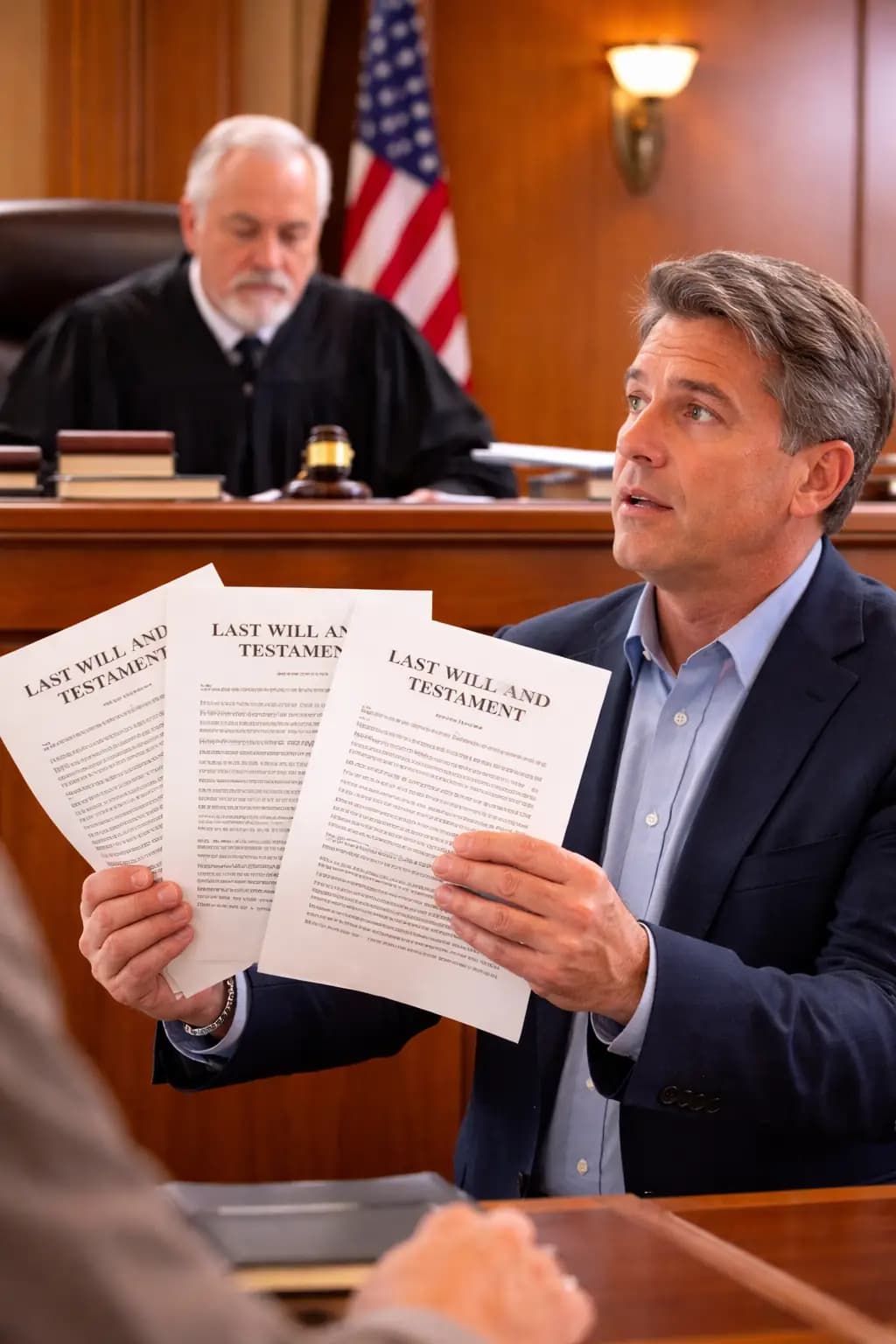
Multiple versions of a will are found in many probate cases, creating legal confusion about which document legally controls the estate. When more than one will surfaces after a person’s death, probate courts must carefully determine which document reflects the testator’s final valid intentions. This process can affect inheritance rights, executor authority, and the overall timeline of estate administration. Families often experience uncertainty and concern during this stage, especially if different versions name different beneficiaries or executors. By understanding how courts evaluate execution dates, witness requirements, revocation language, and potential claims such as undue influence, individuals can better navigate probate procedures and protect the orderly distribution of estate assets.
It is very common for individuals to revise their estate plans over time. Life events such as marriage, divorce, financial changes, or new family members often lead to updates. As a result, several versions of a will may exist.
For instance, a person may:
Therefore, families may discover outdated documents alongside newer estate plans while searching personal records.
When asking what happens if multiple versions of a will are found, the most important first step is conducting a complete search. Probate courts rely on reviewing all available estate documents before determining which will controls the estate.
Failing to locate a newer will can result in:
Because of these risks, families should make every reasonable effort to identify all wills that may exist, not just the first document discovered.
Searching the national database at The U.S. Will Registry is one way to determine whether a newer will was registered or whether an attorney documented its location. This structured search process can help ensure that every valid version is reviewed before probate decisions are made.
For a detailed legal framework explaining the full search process, families should review the pillar resource titled How to Find a Will: Complete Authority Guide. This comprehensive guide explains step-by-step search methods, legal obligations, and probate considerations.
When multiple versions of a will are discovered, courts may investigate whether the most recent document was created under undue influence. Undue influence occurs when a person pressures or manipulates the testator into changing estate plans. If proven, the court may invalidate the later will and admit a prior valid version instead.
For a detailed legal explanation of how pressure, manipulation, or coercion can affect the validity of a will, readers should review our related article on Undue Influence, which explains the warning signs, evidentiary standards, and how courts determine whether a will should be invalidated.
When multiple wills are discovered, probate courts generally apply one core principle. The most recent valid will typically governs estate distribution.
Judges carefully evaluate each document by reviewing:
Because probate courts must protect the deceased person’s final intentions, they rely on structured legal procedures rather than assumptions.
Courts follow specific evaluation steps when determining which will controls the estate.
Most jurisdictions require:
If a later will lacks proper execution, an earlier valid document may still be admitted to probate.
For a clear explanation of the legal requirements and qualifications for witnesses during the will-signing process, review our article on who can witness a will.
Updated wills often contain a clause revoking all prior wills and codicils. This clause helps demonstrate intent. However, courts still verify authenticity and legal compliance.
Older wills that appear torn, altered, or destroyed may indicate revocation. Nevertheless, probate judges require clear evidence of intentional revocation before disregarding a document.
Legal complications increase when competing wills appear to have been executed around the same time. In these cases, probate courts may conduct formal evidentiary hearings.
These proceedings may involve:
If no valid controlling will can be established, the estate may be distributed according to intestate succession laws.
Executors must handle the discovery of multiple wills with caution and transparency. They should never attempt to select a preferred document independently.
Instead, responsible executors should:
Failure to disclose known wills can result in court sanctions or removal from fiduciary duties.
When people research what happens if multiple versions of a will are found, they are often anticipating family conflict. Changes between versions can significantly alter inheritance expectations.
Typical disputes involve:
Because these changes affect financial interests and family relationships, probate litigation sometimes becomes necessary.
Probate judges rely on evidence and statutory law to determine validity. Formal litigation procedures may include:
After reviewing all evidence, the court issues an order admitting one will to probate and rejecting others.
Courts generally prefer the original signed will. However, copies may still be considered if sufficient supporting evidence exists.
The probate court may require:
If the court remains uncertain, intestate succession rules may control estate distribution.
Individuals can reduce the likelihood of future disputes by managing estate documents carefully.
Helpful steps include:
Taking these precautions helps ensure that the correct document guides probate administration.
When learning how to locate a missing will, one important step is checking the national registry database maintained by The U.S. National Will Registry.
FIND A MISSING WILL | The U.S. National Will Registry
Understanding what happens if multiple versions of a will are found can help families approach probate with greater clarity and confidence. Although discovering competing documents may feel overwhelming, courts follow structured legal procedures to determine which will reflects the deceased person’s final wishes. By conducting a thorough search for every possible will and using reliable tools such as national will registry searches, families can reduce disputes, avoid unnecessary delays, and help ensure that estate distribution honors the true intentions of their loved one.
When multiple versions of a will are found, the probate court reviews each document to determine which one is legally valid and most recent. Judges examine execution dates, witness signatures, revocation language, and evidence of mental capacity. The newest valid will usually controls estate distribution, provided it meets all state legal requirements.
Yes, it is very important to search for all possible wills before probate begins. Failing to locate a newer document can lead to incorrect asset distribution or legal disputes. Families should conduct a thorough search of personal records, attorneys, and national databases to ensure every version is reviewed by the court.
An older will can still control estate distribution if a newer version fails to meet legal execution requirements. For example, a later will lacking proper witness signatures or evidence of mental capacity may be rejected by the court. In such cases, probate judges may admit the earlier valid will instead.
Families can confirm whether a newer will exists by conducting a structured search process. This may include contacting estate planning attorneys, reviewing safe deposit boxes, and searching national registries. Using services designed to help locate registered wills can reduce delays and ensure probate proceeds according to the deceased person’s true wishes.
This article was prepared by estate planning researchers and reviewed by S. Miller and staff. With more than 25 years of experience in estate planning documentation and probate processes, our editorial oversight ensures clarity and accuracy. This content is provided for informational purposes only and does not constitute legal advice.
[View Our Editorial Policy]