

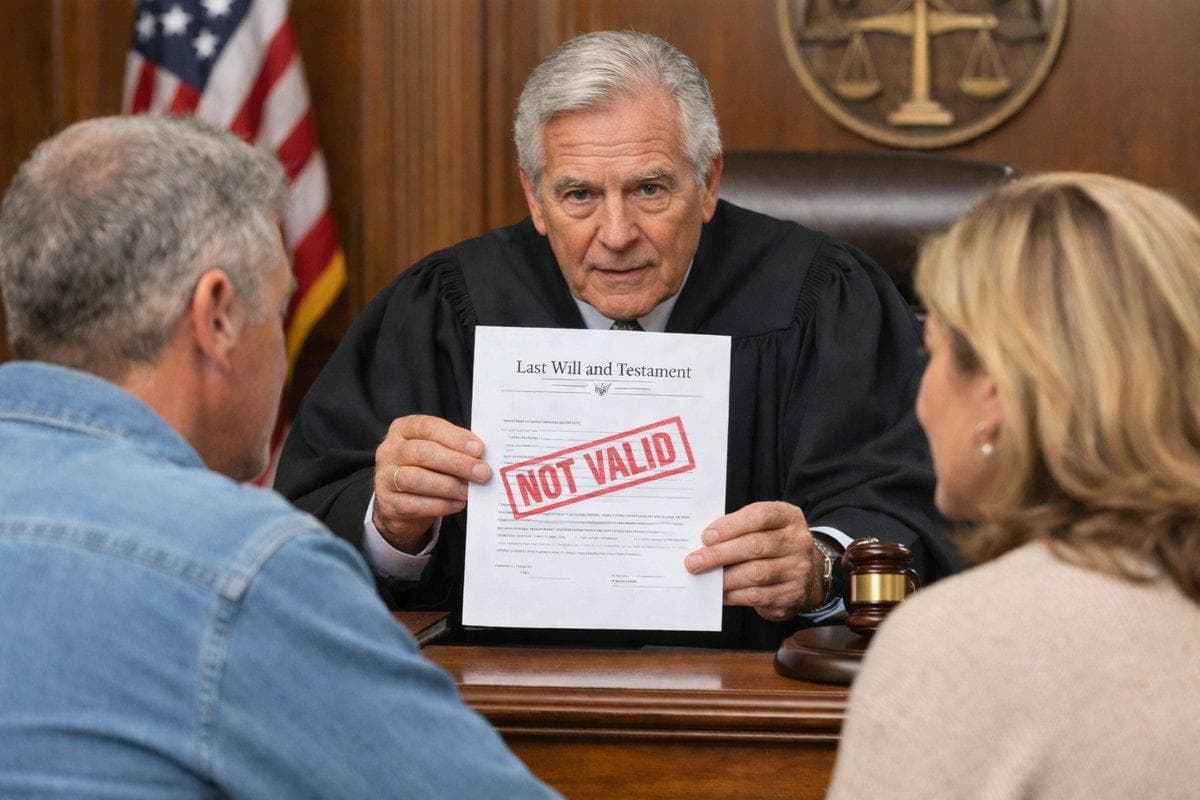
Creating a will is one of the most important steps you can take to protect your family, your property, and your peace of mind. A will gives clear legal direction, reduces confusion, and helps loved ones act confidently during a difficult time. Without one, state law makes decisions for you, often in ways that do not reflect your values or intentions.
This pillar guide explains what a will does, why it matters, how to prepare, and how to create a legally valid will online for free. It also addresses common myths, outlines what to do after signing, and explains how proper planning keeps families united.
A will is a legal document that states how your property should be distributed after death. It also names the person who will carry out your wishes and, if applicable, appoints guardians for minor children.
Without a will, your estate passes through intestacy laws. These laws follow fixed formulas. They do not account for family dynamics, sentimental items, charitable intentions, or personal priorities. As a result, families often experience delays, disputes, and unnecessary stress.
A clear will provides direction. Loved ones know what to do. Courts move faster. Executors act with confidence. Property transfers with fewer complications. Most importantly, family relationships are protected during a time of grief.
Many people delay creating a will because they believe it can wait. In reality, life changes quickly. Marriage, children, home ownership, business interests, or even relocation can alter your planning needs.
A will is not only for the wealthy. If you own personal property, have a bank account, or care about who makes decisions after your death, you need a will. Planning early allows updates later. Waiting creates risk.
If you are unsure whether you need a will right now, this guide explains the consequences of delay in Do I Need a Will? 5 Myths About Estate Planning.
Preparation simplifies the process. Before creating your will, gather the following information.
List major assets such as bank accounts, vehicles, real estate, and valuables. Sentimental items should also be considered. Digital assets and online accounts require separate documentation.
Choose someone responsible, organized, and willing to serve. This person will manage your estate and carry out your instructions.
Guidance on choosing the right person is explained in How to Choose an Executor of a Will.
If you have minor children, name a guardian and a backup. Courts prioritize clarity. Without direction, judges decide based on statutory rules.
Clearly state who receives what. Specific gifts reduce confusion. Percentages can simplify distribution.
If you want clarity around beneficiary roles and rights, see Beneficiary of a Will: What You Need to Know.
Modern estate planning tools allow individuals with simple estates to create valid wills online. These tools guide users through structured questions and generate state-specific language.
A free online will maker works well when:
The process typically includes drafting, reviewing, signing with witnesses, and storing the document securely.
If you are deciding between online tools and professional assistance, the differences are explained in How to Make a Will Without a Lawyer: Remember These 7 Things.

Each state sets rules for validity, but most require:
The will maker to be of legal age
Mental capacity at signing
Two adult witnesses who are not beneficiaries
Some states allow notarization to create a self-proving affidavit, which speeds probate.
Validity is not determined by where the will is created, but by how it is executed and whether it meets state law.
Even modest estates benefit from direction. Personal property and keepsakes often cause the most conflict.
A will does not avoid probate, but it simplifies the process and reduces disputes.
Improper storage leads to lost documents. Registration and secure storage prevent this problem.
Signing is not the final step. Post-signing actions are critical.
Use a fireproof safe or approved secure storage. Avoid locations that limit executor access.
Registration ensures your family can locate the most recent version when needed.
Executors should know where the document is stored. Full distribution is not required.
Life changes require updates. Annual reviews keep plans accurate.
Studies show a significant percentage of wills are lost or never found. When this happens, estates default to intestacy rules, even when a will exists.
Registering a will does not make it public. It records the document’s existence and location, helping families avoid unnecessary court proceedings.
The broader importance of findability is explained in Why Everyone Must Register a Will.

A will is not only a legal document. It is a message to loved ones. It reflects care, responsibility, and foresight. Clear instructions reduce conflict. Families stay focused on healing rather than legal uncertainty.
Accessible planning tools allow more people to complete this step. When completion rates rise, families are protected, charities receive intended gifts, and estates settle more efficiently.
Creating a will is an act of responsibility. It protects your family, preserves your intentions, and provides peace of mind. With modern tools and proper execution, planning is no longer complicated or costly.
This pillar serves as the central guide. Supporting articles expand on specific topics. Together, they form a structured, authoritative resource for families seeking clarity and protection.

Yes. Even a simple estate benefits from a will. A will names an executor, directs who receives property, and appoints guardians if needed. Without a will, state intestacy laws decide these matters. That process can delay distribution, increase costs, and create confusion or conflict among family members, even when assets are modest.
An online will can be legally valid if it complies with your state’s requirements. Validity depends on proper execution, not cost. Most states require the will maker to have capacity and sign in front of two adult witnesses. When those rules are followed, a free online will carries the same legal weight as any other will.
If a will cannot be located, the estate may be treated as if no will exists. This can force the estate into intestacy, even if a valid will was created. Assets may then be distributed according to state law. Proper storage, registration, and informing your executor greatly reduce the risk of a will being lost.
You should review your will at least once a year and after major life events. Marriage, divorce, births, deaths, moves, or significant asset changes often require updates. Regular reviews ensure beneficiaries, executors, and instructions remain accurate. Keeping your will current prevents confusion and ensures your wishes reflect your present circumstances.
This article was reviewed for legal accuracy by Shawn Patrick Wolf, Esq. Mr. Wolf is Board Certified in Wills, Trusts and Estates and in Tax Law. He serves on the Board of Directors of the East Coast Estate Planning Council and the Palm Beach Tax Institute.
