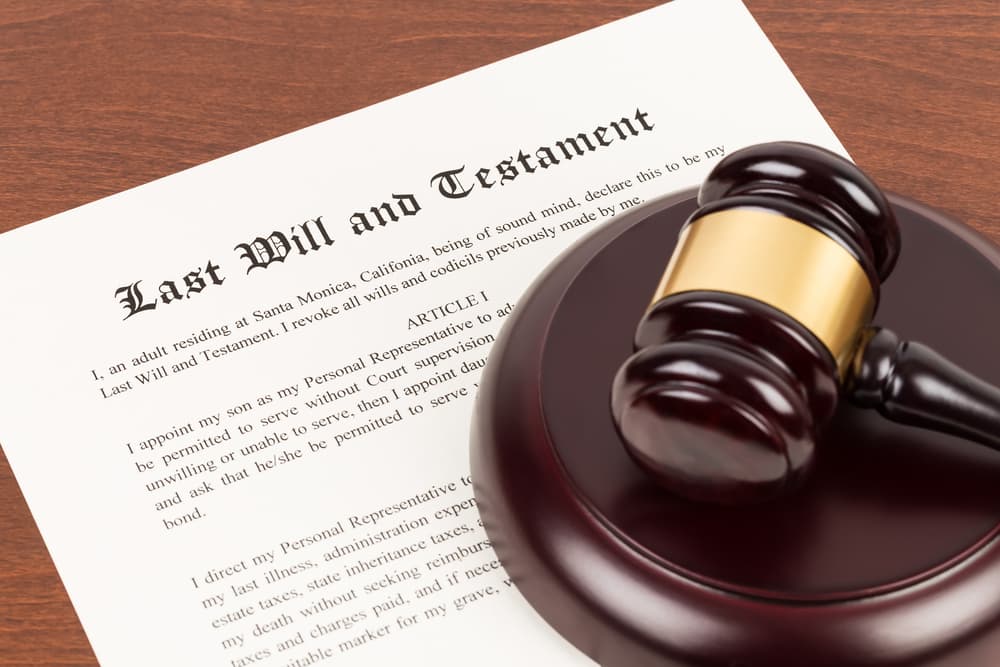
What constitutes a valid will is determined by state probate law. In most states, a will must be written, signed by the person making it, and witnessed by at least two competent adults. If these requirements are missing, the probate court may reject the document and treat the estate as if no valid will exists.
Many families feel relieved simply to find a will after a loved one dies. However, locating a document does not automatically mean the court will accept it. Probate courts must review the will to confirm that it meets the legal requirements before the estate can be distributed according to the deceased person’s wishes.
If the document fails to meet these standards, the estate may be settled according to state intestacy laws instead of the instructions the person intended. For this reason, understanding what constitutes a valid will is essential before moving forward with probate.
How to Confirm If a Will Is Valid
What constitutes a valid will starts with locating the document. Families often struggle to find it. Wills can be hidden in homes, stored at law offices, or kept in safe deposit boxes. You should also check your probate court’s website for registered wills.
Additionally, you can search The U.S. Will Registry. This national registry tracks wills registered by individuals, attorneys, and institutions. Registration helps document where the will or trust is stored—whether at home, with an attorney, or another trusted party.
Once you find the will, you must submit it to the probate court if it isn’t already on file. Some states consider it a crime to withhold a will from the court if you possess it.
The executor—or the person applying to become the executor—must then file a petition to begin probate. As part of this process, the court will decide what constitutes a valid will.
What Constitutes a Valid Will in Legal Terms?
Each state has its own laws on what constitutes a valid will, but generally, a will is valid if:
- The testator (person making the will) has mental capacity.
- The will is written.
- The testator signs and dates the will.
- Two witnesses sign the will.
While registration isn’t required for a will to be valid, it does help families locate the document when needed.
Legal and Testamentary (Mental) Capacity
To meet the legal definition of what constitutes a valid will, the testator must have capacity. This means the person is usually at least 18 years old, although exceptions exist for married individuals and active military members.
Testamentary capacity means the person must be of sound mind. This includes understanding:
-
-
- The purpose of making the will.
- What property they own.
- Who their family members are.
- That they are deciding who receives their property.
The person must have this understanding at the time of signing the will.
Testamentary Intent
Intent is another requirement of what constitutes a valid will. The testator must intend for the document to act as their will. This is often proven by their actions and the wording of the document.
Intent and capacity are common grounds for will challenges. Family members may claim the testator wasn’t mentally capable or did not intend the document to be their legal will.
The Will Must Be in Writing
Another key part of a valid will is that it must be in writing. This can be typed or printed. Some states allow handwritten (holographic) wills, but these come with additional legal hurdles. Holographic wills are not recognized in every state and can be difficult to validate.
Self-printed or handwritten wills often face extra scrutiny during probate because they may lack important legal language.
The Testator Must Sign and Date the Will
Signing and dating the document is essential. If the testator cannot physically sign, they may direct someone else to sign on their behalf. Courts generally accept electronic signatures when legally permitted.
Two Witnesses Must Sign the Will
Most states require two adult, competent witnesses to watch the testator sign the will. Witnesses usually cannot be people who benefit from the will. This rule helps avoid conflicts of interest.
Does a Valid Will Need to Be Notarized?
While notarization is not a requirement in most states, adding a self-proving affidavit can speed up probate. This affidavit, signed by the testator and witnesses in front of a notary, confirms that all legal steps were followed. Including this affidavit makes the court’s job easier.
What to Look for If You Believe the Will is not Valid
When reviewing a will, you might wonder what constitutes a valid will if something seems suspicious. Spotting warning signs early protects the estate and the rightful heirs. Let’s explore exactly what you should look for.
1. Last-Minute or Unusual Changes
Start by checking for last-minute changes. If the will looks completely different from earlier versions, you should take note. This is especially true if the new version removes close family members without explanation. Such changes often signal possible manipulation or undue influence.
2. Signs of Mental Decline
You should also watch for signs of mental incapacity. If the person suffered from memory loss, confusion, or illness, the will may not meet legal requirements.
Common signs include:
-
- A diagnosis of dementia or Alzheimer’s.
- Inability to recognize family or recall important details.
- Uncharacteristic or irrational decisions.
If you notice these signs, you have a valid reason to question what constitutes a valid will.
3. Pressure or Undue Influence
Another red flag appears when someone pressures the person to change their will. You might notice a new friend or caregiver suddenly becoming the main beneficiary.
Look for these signs:
-
- The person isolating the testator from family.
- The testator changing their will under someone else’s direction.
- The beneficiary taking over decision-making.
These situations often require legal review to ensure the will reflects the true wishes of the deceased.
To learn more in detail about undue influence: How to Define Undue Influence in a Will
4. Missing or Improper Witnesses
You should confirm that the will includes the correct witness signatures. In most states, two unbiased adult witnesses must watch the signing.
Look for these problems:
-
- Fewer than two witnesses.
- Witnesses who also receive an inheritance.
- No witness signatures at all.
Mistakes like these can make the will invalid.
5. Poorly Prepared Handwritten or Self-Printed Wills
While handwritten or printed wills can sometimes be valid, they often lack important legal language. Courts tend to question these wills more closely.
Check for:
-
- Missing witness signatures.
- No self-proving affidavit.
- Poor wording or incomplete information.
If you spot these problems, you should consult an attorney to review the will’s validity.
To learn more about handwritten wills read: Can I handwrite a will?
6. Forgery or Fraud Concerns
Lastly, you should stay alert for forgery or fraud.
Ask yourself:
-
- Does the handwriting look different from known examples?
- Does the signature appear shaky or inconsistent?
- Did the will suddenly appear without anyone knowing about it before?
If you answer yes to any of these questions, you should contact a legal professional right away. Expert testimony may be needed to prove what constitutes a valid will.
What Happens if the Will is Invalid?
If the court decides the will is invalid, state intestate succession laws will apply. These laws dictate who inherits based on family relationships. Spouses, children, parents, and siblings typically receive priority.
For example:
- A surviving spouse often receives the largest share.
- If children survive the decedent, they share the estate with the spouse.
- If no spouse or children survive, parents or siblings may inherit.
To learn more in detail about intestate succession read: Understanding Intestate Succession – Settling an Estate Without a Will
SEARCH FOR A WILL
The U.S. Will Registry
Find Your Loved One’s Will with The U.S. Will Registry
Locating the will is the first step to determining in settling an estate. If you cannot find the document, The U.S. Will Registry can help. We offer access to a nationwide database of wills registered since 1997, including records dating back to 1967.
With just the decedent’s name, birthdate, and state, you can search our database. If a match is found, you’ll receive the location details and contact information for the person or organization holding the will.
What constitutes a valid will?
What constitutes a valid will depends on state law, but most states require several core elements. The testator must have mental capacity, the will must be written, the document must be signed by the testator, and at least two witnesses must observe the signing. When these requirements are met, probate courts can recognize the document as a legally enforceable will.
How do probate courts decide what constitutes a valid will?
Probate courts decide what constitutes a valid will by examining how the document was prepared and executed. Judges review whether the testator had testamentary capacity, whether proper witnesses signed the document, and whether the will clearly expresses the testator’s intent. Courts may also consider witness testimony, medical records, and other evidence before validating the will.
Can a document be found but still fail what constitutes a valid will?
Yes, a document may be discovered but still fail to meet what constitutes a valid will under state law. Missing witness signatures, evidence of forgery, lack of testamentary capacity, or improper execution can cause a will to be rejected. When this happens, the probate court may treat the estate as if no valid will exists.
Where should families search before determining what constitutes a valid will?
Before confirming what constitutes a valid will, families must first locate the document. Important places to search include filing cabinets, safes, safe deposit boxes, desk drawers, and an attorney’s office. Families can also search The U.S. Will Registry, which helps identify where a will is stored or which attorney prepared the document.