

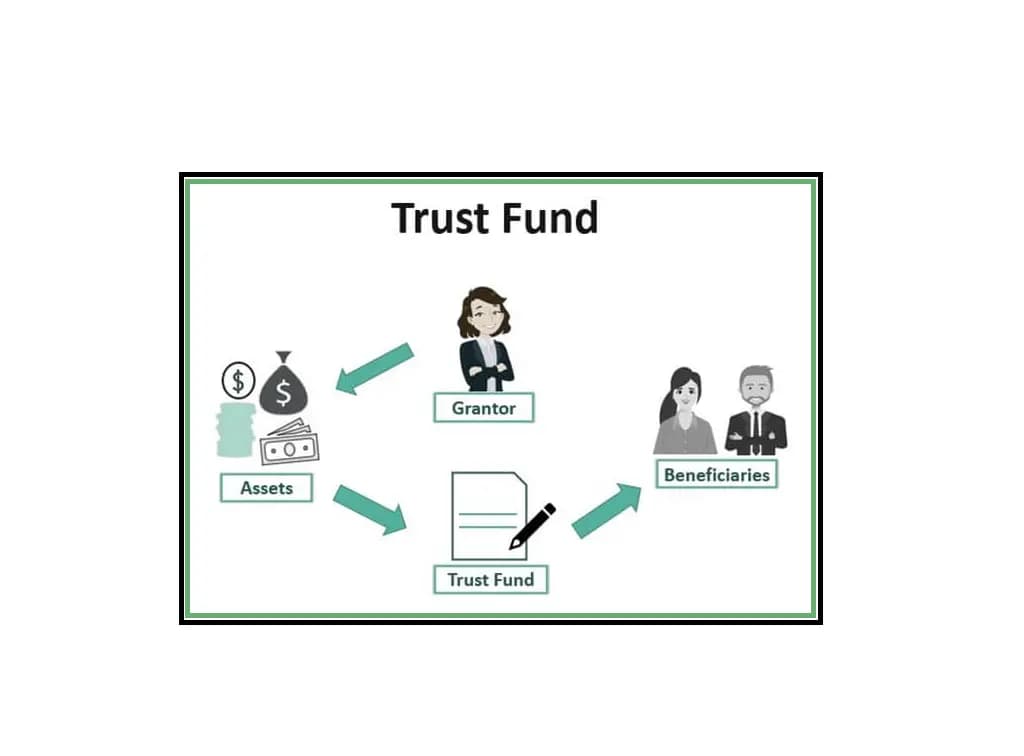
A trust fund is a tool that helps you plan your asset base if you die or become incapacitated. It does so by determining a legal body to hold your property in case something happens to you, with the help of a neutral party known as the trustee. A trust fund can hold various assets on your behalf, including cash, real estate property, business premises, or a collection of other properties or assets you may own.
Keep reading to know more about trust funds and how to set one up.
A trust fund usually requires three parties: the grantor, beneficiary, and trustee. As the grantor of a trust fund, you will need to stipulate expressly or in writing how your assets should be held, collected, and disseminated to the relevant parties after your death or incapacitation. The trustee, in this case, acts as the neutral party by managing your fund’s assets and being responsible for instituting its directives. Lastly, beneficiaries in a trust fund are the individuals who will receive the assets from the fund.
Setting up a trust fund is essential, particularly for the individuals you intend to pass on your wealth to after your passing or incapacitation. Some of the benefits of trust funds are:
The type of trust fund you set up depends on your objective of the fund and the advantages it has for your beneficiaries. Also, different states have laws stipulating what kinds of trusts are allowed. The laws may also govern the process of creating trusts and how they operate. Thus, it is essential to confirm if the state you live in allows or permits the type of trust fund you want to set up.
Some examples of trust funds are:
Key takeaways
Funding your trust refers to moving your assets into your trust. A trust acts as a living entity that will own the assets you transfer to when you are alive. The trust then distributes these assets to your beneficiaries after your death.
In this case, the trustee has the responsibility of temporarily managing your fund’s assets, before transferring them to the official recipients who are your beneficiaries.
Funding your trust is mandatory, otherwise, it serves no purpose. If you fail to transfer the assets or funds properly, the trust will not achieve its goals.
Any assets improperly moved to the trust will revert to you as a grantor. This will then prompt the probate court to distribute such assets under the intestate succession laws of your state.
Note that it is possible to fund your trust before or after your death. If you wish the entire process to go on per your wishes; funding the trust while still alive is your best option. You will need to change all property titles to reflect the trust’s ownership.
You may also use a “pour-over will” to fund your trust after you pass away. This will capture any unremembered asset and send it to your trust. While the assets may still need to pass through probate, they can still be dispensed per your trust stipulations.

You don’t need an attorney to create a trust. All you need is an understanding of how trusts work and you will be good to go. However, it makes sense to work with an attorney to set up your trust in specific scenarios. An attorney can ensure that your trust is legally sound and tailored to your specific needs and circumstances, providing invaluable expertise and guidance throughout the process.
Setting up a trust fund requires establishing the type of fund that best suits you. Thus, ensure you determine the exact purpose of the trust fund you intend to set up before deciding how to fund it.
You’ll also need to choose and appoint the individual who will act as your trust fund’s trustee. A trustee will also assist you in drafting all the documents you need when setting up your trust fund and going through the legal process.
Lastly, you will need to fund the trust fund. Like any other business venture, ensure that the type of trust fund you choose is best for you and your beneficiaries. It should also be one you can afford.
The US Will Registry offers you a platform where you can easily register your trust.
Setting up a trust fund is crucial as it will ensure that your beneficiaries get what they rightfully and fairly deserve. Your loved ones, trustee, or attorney will also know where your trust fund documents are without much hassle, minimizing any possible disagreements.
This article was reviewed for legal accuracy by Shawn Patrick Wolf, Esq. Mr. Wolf is Board Certified in Wills, Trusts and Estates and in Tax Law. He serves on the Board of Directors of the East Coast Estate Planning Council and the Palm Beach Tax Institute.
