Probate Timeline After Filing a Petition: What to Expect
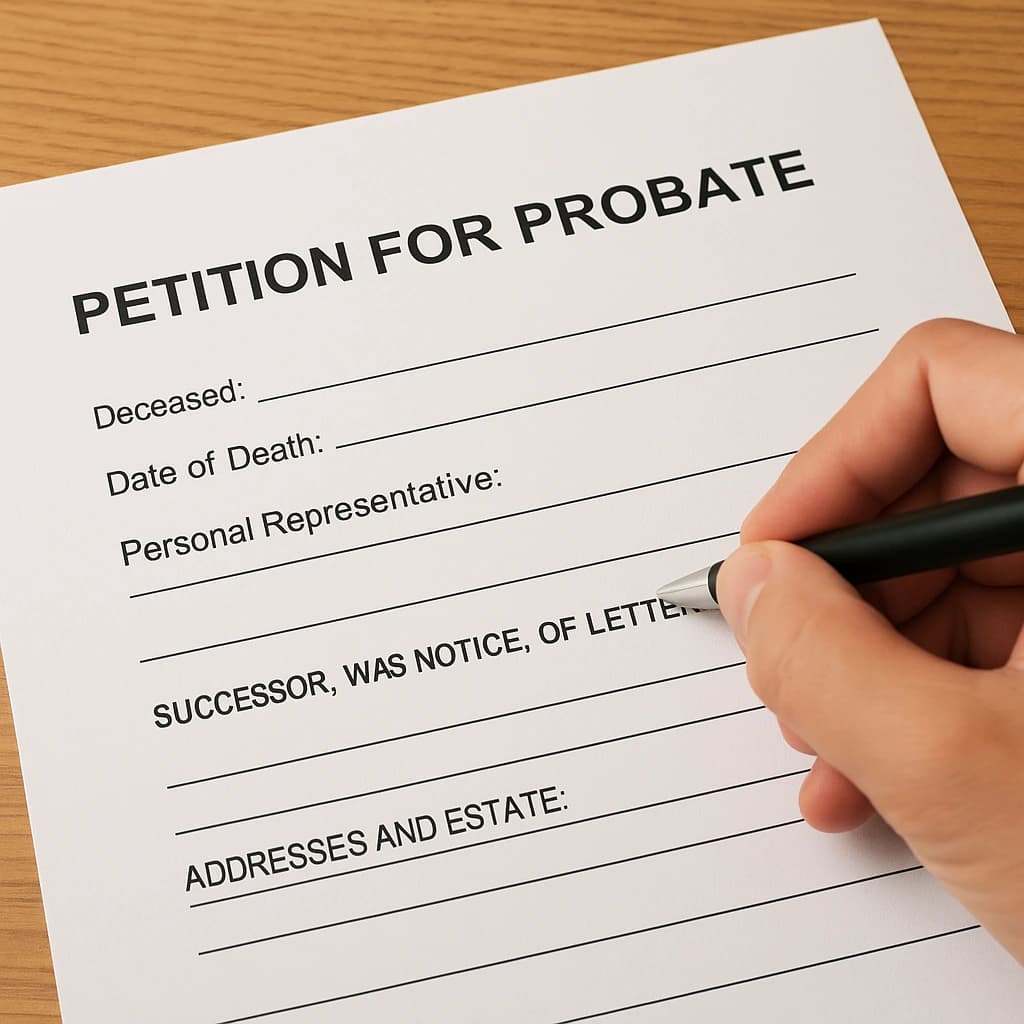
Probate timeline after filing a petition typically ranges from a few months to over a year, depending on the estate’s complexity, court procedures, and any disputes that arise. Once the petition is filed, the process moves through defined stages, including court review, executor appointment, creditor notification, and final asset distribution.
Understanding the probate timeline after filing a petition is one of the most important parts of settling an estate
Before this timeline begins, the petition must be filed correctly. For a complete step-by-step guide, see:
How to File a Probate Petition: Complete Guide.
What Starts the Probate Timeline
The probate timeline officially begins when the petition is filed with the probate court.
At this point, the court opens the estate and begins reviewing the request to:
-
Validate the will
-
Appoint the executor
-
Grant legal authority to act
However, before filing, families must make every effort to locate the original will. If the will cannot be found, the probate process may be delayed or require additional legal steps. For a complete search strategy, refer to:
How to Find a Will: The Complete Authority Guide.
https://www.theuswillregistry.org/estate-articles/how-to-find-a-will
Stage 1: Court Review of the Petition (2–6 Weeks)
After filing, the court reviews the petition for accuracy and completeness.
During this stage:
-
The will is examined
-
Beneficiaries are identified
-
The executor is evaluated
If everything is correct, the court moves forward. However, errors can delay the process.
Common delays include:
-
Missing signatures
-
Incorrect heir information
-
Improper filing format
If a copy of the will is submitted instead of the original, additional legal steps may be required before the court accepts the petition. Learn more about this situation here:
Petition to Admit a Copy of a Will.
https://theuswillregistry.org/estate-articles/petition-to-admit-a-copy-of-a-will
Stage 2: Notice to Heirs and Interested Parties (2–4 Weeks)
Once the petition is accepted, notice must be given to all interested parties.
This includes:
-
Heirs
-
Beneficiaries
-
Creditors (in some cases)
In many states, this step may also require publication in a local newspaper.
This waiting period allows time for objections.
Stage 3: Court Hearing (If Required)
Some states require a formal hearing before approving the petition.
At the hearing:
-
The judge reviews the petition
-
Any objections are considered
-
The executor may be formally approved
If no objections are raised, approval is usually straightforward.
However, if disputes arise or the will is challenged, the probate process can become significantly more complex and time-consuming. In some cases, the court may need to determine whether the will is valid or if a newer version exists.
Stage 4: Issuance of Letters Testamentary (1–3 Weeks)
Once approved, the court issues Letters Testamentary.
This document gives the executor legal authority to:
-
Access accounts
-
Pay debts
-
Manage assets
-
Distribute the estate
At this point, the probate process is fully active.
Stage 5: Creditor Claim Period (3–6 Months Typical)
After appointment, the executor must allow time for creditors to file claims.
This period varies by state but typically lasts several months.
During this stage:
-
Debts are identified
-
Claims are reviewed
-
Payments are made
The estate generally cannot be fully distributed until this period ends.
Stage 6: Asset Distribution and Estate Closure
Once debts are resolved, the executor can distribute assets according to the will.
This includes:
-
Transferring property
-
Distributing funds
-
Finalizing accounts
If probate has already been opened and you are trying to locate a will during this phase, court records may provide helpful information. You can learn more here:
How to Find a Will in Probate Court.
https://www.theuswillregistry.org/estate-articles/how-to-find-a-will-in-probate-court
How Long Does Probate Take Overall
The total probate timeline depends on the complexity of the estate.
Typical timelines:
-
Simple estate: 3 to 6 months
-
Moderate estate: 6 to 12 months
-
Complex estate: 12 to 18 months or longer
Estates involving disputes or missing assets can take significantly more time.
What Causes Probate Delays
Several factors can extend the probate timeline.
Common delays include:
-
Missing or unclear wills
-
Family disputes
-
Contested petitions
-
Real estate complications
-
Unknown creditors
-
Tax issues
One of the biggest causes of delay is not having immediate access to the original will. Many families are forced to search multiple locations or contact attorneys to locate the correct document.
To improve the chances of finding a will quickly, families can also use national registry tools designed to help locate where a will was stored or identify the attorney who prepared it. Learn more here:
Find a Missing Will Through The U.S. Will Registry.
Can Probate Be Completed Faster
Some estates qualify for simplified probate procedures.
These may apply when:
-
The estate is small
-
There are no disputes
-
Assets are clearly documented
In these cases, probate may be completed more quickly.
However, even simple estates must follow legal requirements.
What Happens If the Probate Timeline Is Delayed
If probate takes longer than expected, the executor must continue managing the estate responsibly.
This includes:
-
Maintaining property
-
Paying ongoing expenses
-
Communicating with beneficiaries
Delays do not stop the process, but they can increase costs and stress.
Why Understanding the Timeline Matters
Knowing the probate timeline helps families:
-
Set realistic expectations
-
Avoid unnecessary delays
-
Protect estate assets
-
Reduce conflict among heirs
Most importantly, it helps ensure the estate is settled according to the deceased person’s wishes.
FAQ Related to Petition for Probate: Understanding Probate Timelines
The Petition for Probate timeline typically lasts six months to one year in most estates. After filing the petition, the court must appoint a representative, notify creditors, inventory assets, pay debts and taxes, and distribute property. Complex estates, disputes, or court backlogs can extend the probate timeline beyond one year.
The first stage in the Petition for Probate timeline is filing the petition with the probate court in the county where the deceased lived. This filing asks the court to open the estate and appoint an executor or administrator. After review, the court issues legal authority allowing the representative to begin managing the estate.
The probate timeline includes several key stages: filing the petition, court review, notifying heirs and creditors, appointing the executor, allowing time for creditor claims, and distributing assets. Each stage follows legal requirements and waiting periods. Delays can occur at any stage, especially if documents are missing or objections are raised.
Yes, the Petition for Probate timeline can be delayed by several factors. Common causes include contested wills, disputes among heirs, difficulty locating assets, tax issues, or the discovery of a newer will after probate begins. Court scheduling delays can also extend the timeline before the estate is fully closed.
Editorial Review:
This article was prepared by estate planning researchers and reviewed by S. Miller and staff. With more than 25 years of experience in estate planning documentation and probate processes, our editorial oversight ensures clarity and accuracy. This content is provided for informational purposes only and does not constitute legal advice.
[View Our Editorial Policy]