

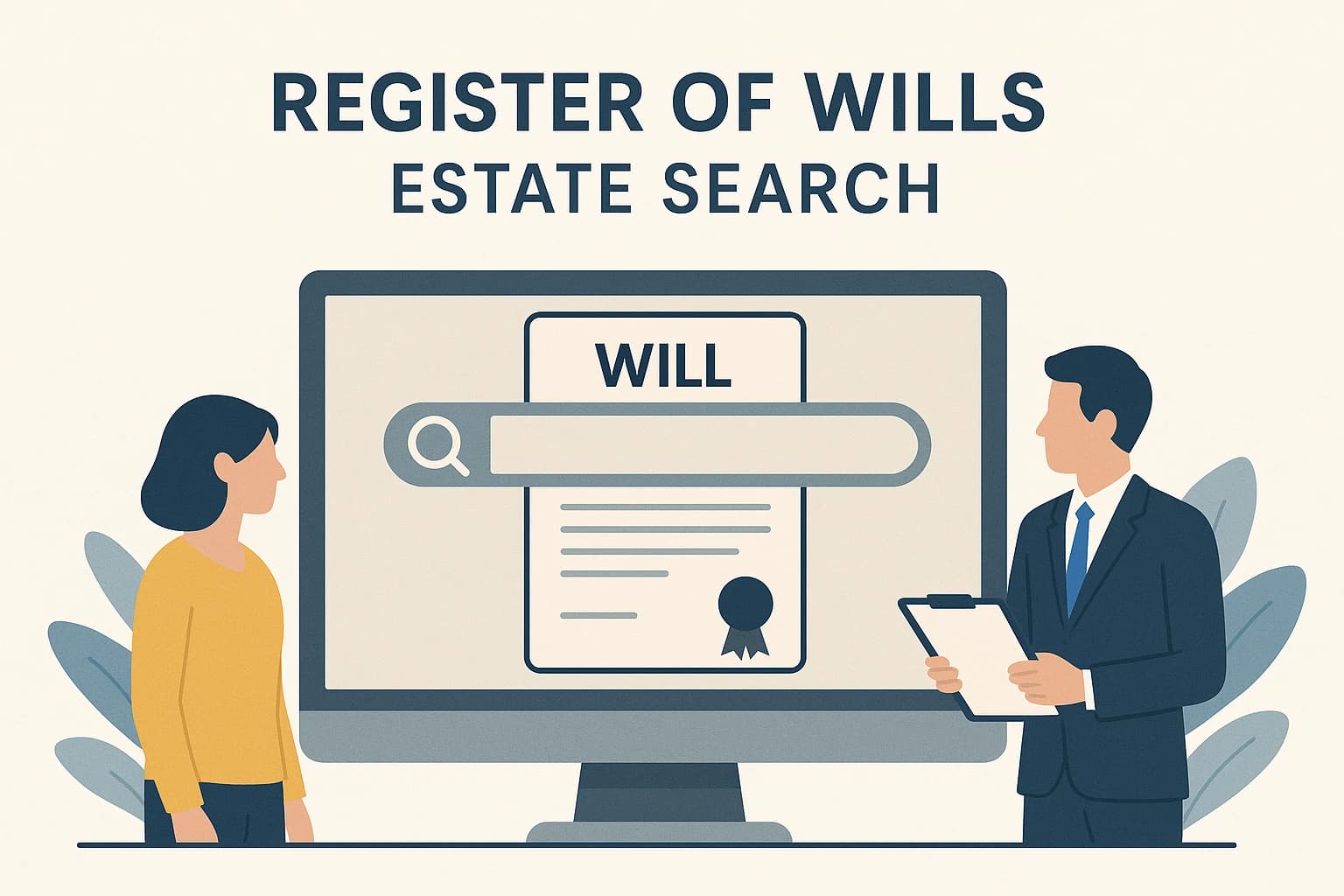
Register of wills estate search plays a crucial role in the probate process. When someone passes away, locating their will becomes one of the first and most important steps in settling their estate. Families often struggle to find a will or confirm whether it was filed. Fortunately, estate searches through the The U.S. Will Registry’s national databases can help uncover vital information, ensuring that assets are distributed according to the decedent’s true wishes.
This guide explains how estate searches work, the function of the Register of Wills, and where families can turn when a will cannot be found.
The Register of Wills is a government office responsible for maintaining and recording wills, probate filings, and estate administration documents. Every county has a Register of Wills or Probate Court. When a person dies, their will is typically filed with this office to begin the probate process.
The Register of Wills ensures that:
If a will has been filed, the Register of Wills is usually the first place to start an estate search. Most offices can confirm whether a will exists, when it was filed, and who the executor is. However, many people pass away without filing their will before death. In those cases, you’ll need to expand your search beyond county records.
Families often start an estate search when:
The estate search process helps identify whether a will was ever registered or probated. It also provides valuable information about estate filings, property ownership, and beneficiaries.
The earlier an estate search is started, the easier it is to prevent delays, disputes, and potential financial loss.
Each county handles its estate records differently, but the basic process is similar:
Begin by determining where the deceased person lived at the time of death. The will is typically filed in the county where they resided. Contact that county’s Register of Wills or Probate Office directly.
To conduct an estate search, you’ll usually need:
Most Registers of Wills allow public access to basic estate information. Some offices require an in-person visit, while others provide online search tools. If the estate was probated, you can obtain copies of the will or related filings for a small fee.
If the estate is “open,” probate is still ongoing. If it’s “closed,” the assets have already been distributed. Knowing the estate’s status can help you determine whether additional legal steps are needed.
Certified copies of a will or letters testamentary (proof of executor authority) may be needed for banks, insurers, or government agencies.
Sometimes, a will was never filed with the Register of Wills because the decedent died recently, or the executor didn’t know where to submit it. In these cases, you’ll need to expand your estate search.
The most respected national resource is The U.S. Will Registry. Established in 1997, it offers a free online will registration and document storage service. Families can search for missing or unregistered wills in a national database for a nominal $14.95 fee.
If your loved one registered their will through an attorney, bank, or online service, it’s likely indexed here. This registry connects families with law firms or executors who may have the original will.
Click here to search The U.S. Will Registry for a missing will
If the deceased worked with an estate planning attorney, contact them directly. Attorneys often keep original wills in secure storage. If you’re unsure which firm handled the estate, start by checking correspondence or prior legal documents.
Many individuals store their original will in a safe deposit box. However, access can be restricted without a court order, especially if the box is solely in the decedent’s name.
It’s common for people to keep their will in a locked home safe, filing cabinet, or envelope labeled “Important Documents.” Look in areas where other legal or financial papers were stored.
If you’re unsure where the person resided at death, check multiple counties or states. Probate courts often provide inter-county search services for a small fee.
Registering a will ensures that it can be found quickly after death. Too often, families discover that a valid will existed but was never located, leading to unnecessary probate delays or intestate proceedings (where state law decides inheritance).
Registering your will protects your loved ones from confusion and prevents fraud or disputes. It also guarantees your true wishes are honored.
The easiest way to register a will is through The U.S. Will Registry. Registration is completely free, takes just minutes, and includes:
By registering your will, you give your loved ones peace of mind and eliminate the guesswork.
If your estate search and Register of Wills inquiries reveal no will, the estate may need to proceed as intestate. That means the court will distribute assets according to state inheritance laws.
In most cases:
However, intestate laws vary by state. Consulting a probate attorney can help ensure compliance with local procedures and prevent disputes.
If you still believe a will exists, use The U.S. Will Registry’s search service before accepting intestacy. Thousands of families have successfully located missing wills through this national database.
Conducting an estate search register of wills as soon as possible after death offers several benefits:
Early action is one of the best ways to protect both emotional and financial stability during estate administration.
The process is simple and takes only a few minutes:
Creating or registering a will online is also free. The U.S. Will Registry provides the most trusted and user-friendly online will program available today. It allows anyone to:
If the estate involves multiple properties, business ownership, or disputes among heirs, consult a probate attorney. Attorneys can access additional court databases and guide families through formal estate administration. However, for most families, starting with a Register of Wills estate search and using national databases like The U.S. Will Registry is enough to uncover the necessary records.
The Estate Search Register of Wills process is the cornerstone of every probate case. It ensures transparency, legal accuracy, and fairness in distributing assets. Whether you’re trying to locate a missing will or confirm its filing, using both county and national resources will give you the best results.
Start with the local Register of Wills, then expand to trusted online platforms like The U.S. Will Registry. Taking these steps ensures no will goes undiscovered and that every family member receives what was intended for them.
The Estate Search Register of Wills is a county-based office that records wills and probate filings. It helps families locate official estate documents after someone’s death. Using this resource ensures estates are settled correctly, preventing delays, disputes, and loss of inheritance rights. It’s the first step in confirming whether a will exists.
To perform an Estate Search Register of Wills inquiry, contact the county where the deceased lived. Provide their full name and date of death. The Register can confirm if a will or probate record exists. If no local record is found, use national databases like The U.S. Will Registry to expand your search.
If your Estate Search Register of Wills search finds nothing, don’t panic. Many wills are unfiled or stored elsewhere. Try contacting the deceased’s attorney, searching safe deposit boxes, or using The U.S. Will Registry’s national database. This affordable resource helps families locate missing or unregistered wills even when county records come up empty.
A Register of Wills estate search helps families locate wills that have been officially filed for probate. This search confirms whether a will exists, when it was filed, and who the executor is. If no record appears, The U.S. Will Registry’s national database can help identify unregistered wills that may still exist.
This article was prepared by estate planning researchers and reviewed by S. Miller and staff. With more than 25 years of experience in estate planning documentation and probate processes, our editorial oversight ensures clarity and accuracy. This content is provided for informational purposes only and does not constitute legal advice.
[View Our Editorial Policy]